Is Aloe Vera Plant Poisonous to Cats? What a Bite Really Does
Filip Leszczyński Updated 24 November 2026 11 min read
In this article
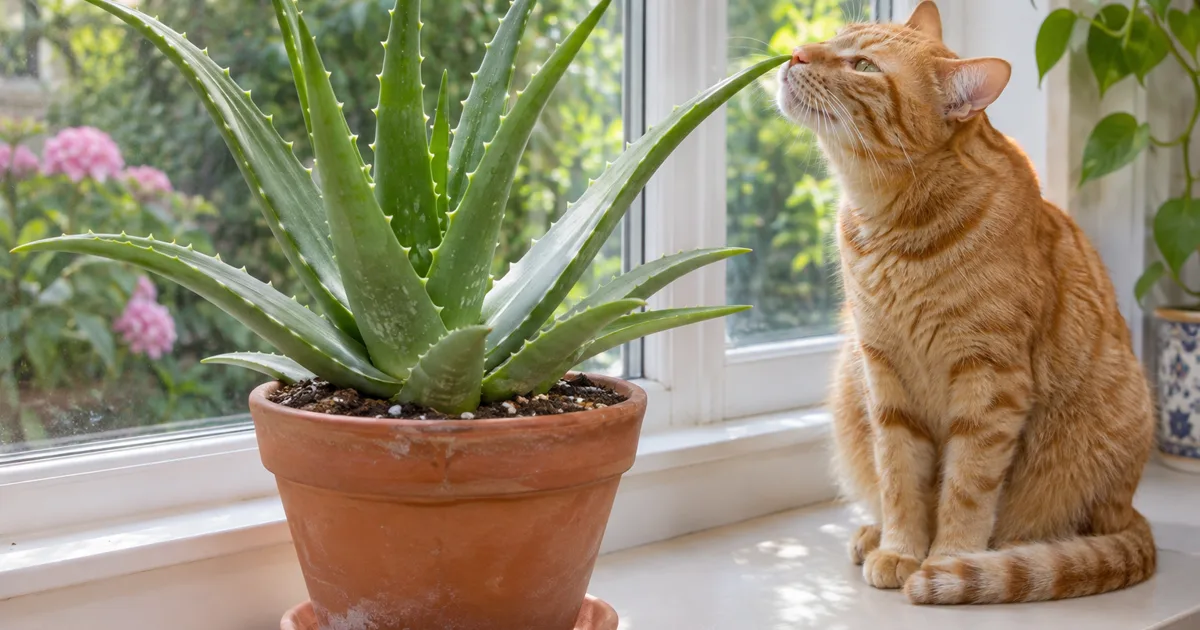
Yes, the aloe vera plant is poisonous to cats. The ASPCA lists aloe vera as toxic to cats and dogs, and the signs it reports are vomiting, diarrhea and lethargy.
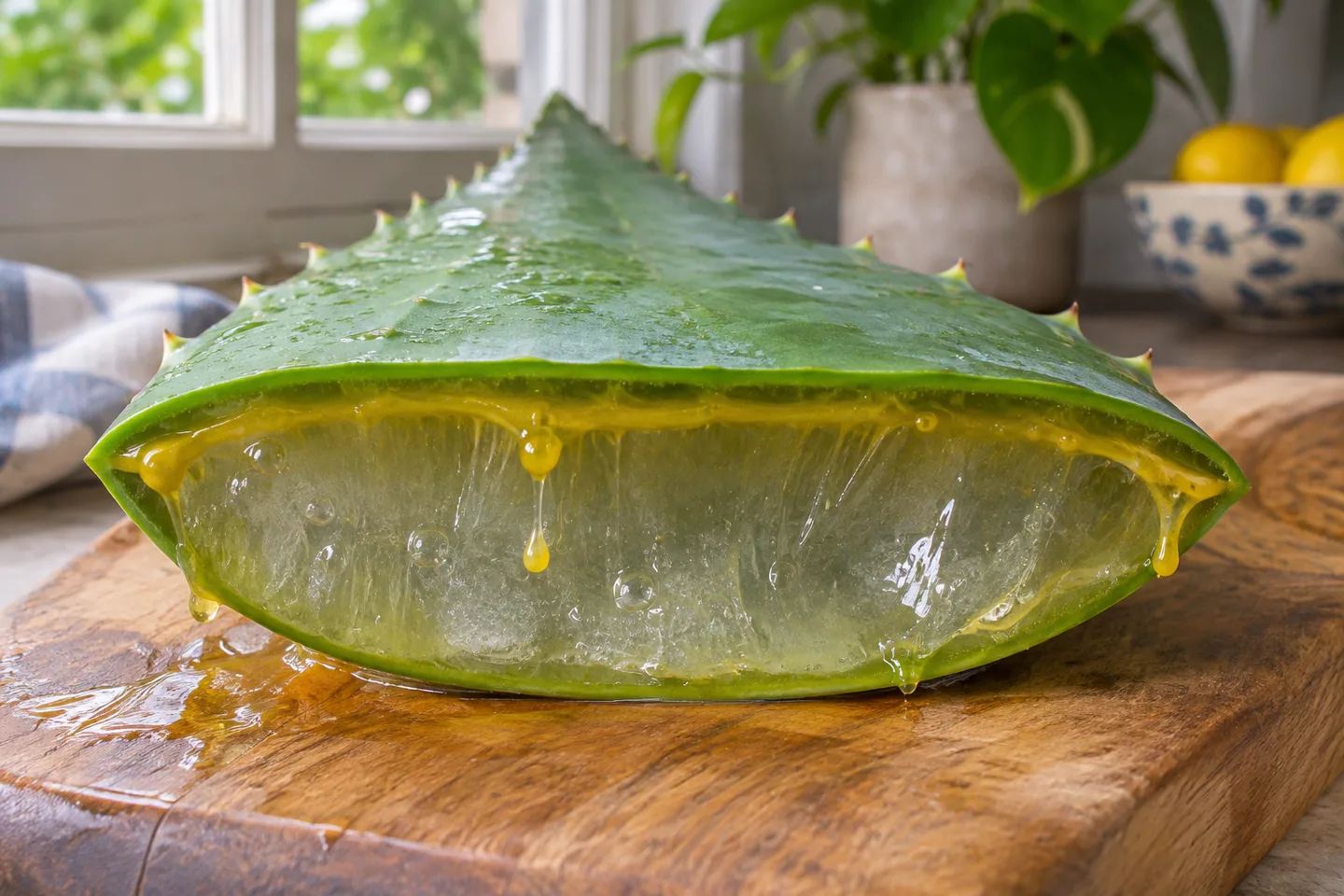
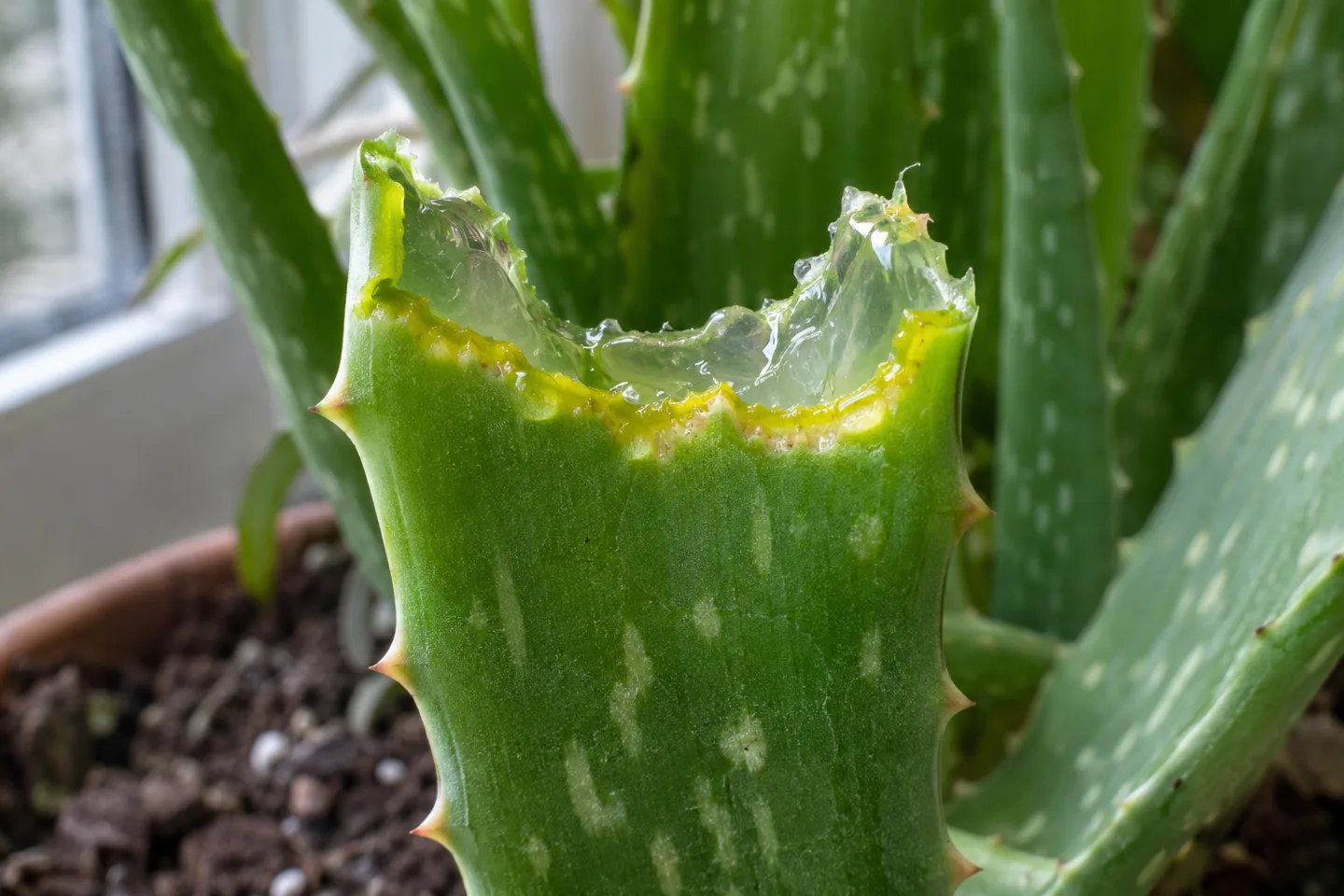
Here is the part most answers skip: the clear gel inside the leaf is not the problem. The ASPCA notes the gel is considered edible. The trouble sits in a thin layer of yellow sap just under the green skin, which contains anthraquinones, the same kind of compound used in laxatives. A cat that bites a leaf gets skin and sap together, so a chewed aloe usually means an upset stomach, not a lily style emergency. This guide covers what happens when a cat eats aloe, what to do in the first hour, how to keep the plant safely and which aloe lookalikes are safe.
Why aloe vera is toxic to cats
An aloe leaf has three layers. The tough green skin on the outside, a thin band of bitter yellow sap (often called aloe latex) just under it, and the clear gel in the middle. The ASPCA names two toxic compounds in the plant: saponins and anthraquinones. The Pet Poison Helpline explains that the anthraquinone glycosides are purgatives, which means they push the gut to empty, and that is where the vomiting and diarrhea come from.
So the risk depends on what your cat actually swallowed:
| What your cat got into | Risk | What to do |
|---|---|---|
| Licked the outside of a leaf | Low; little or no sap | Wipe the mouth, watch for a few hours |
| Bit through a leaf and swallowed pieces | Moderate; skin and yellow sap together | Remove the plant, watch closely, call if signs start |
| Chewed several leaves or a whole pup | Higher; more sap, more stomach upset | Call your vet or a pet poison line now |
| Licked a store bought aloe gel product | Depends on the product, not just the aloe | Read the label and call your vet with it in hand |
The last row matters because people often use aloe gel on their own skin and then pet the cat. Many bottled gels contain other ingredients, and some list whole leaf aloe, which can include the sap. Keep the bottle and read the ingredient list to your vet rather than guessing.
What happens if a cat eats aloe vera
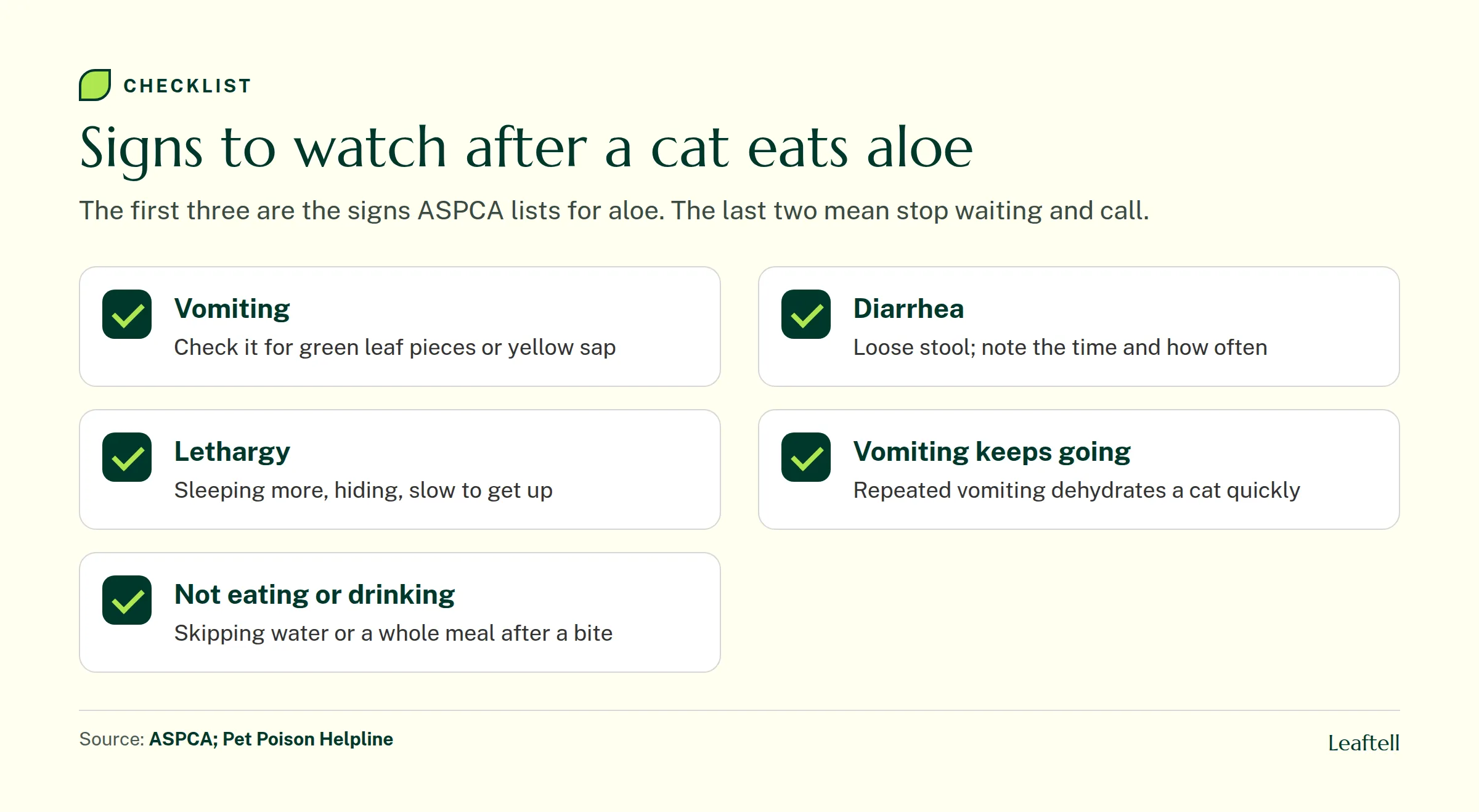
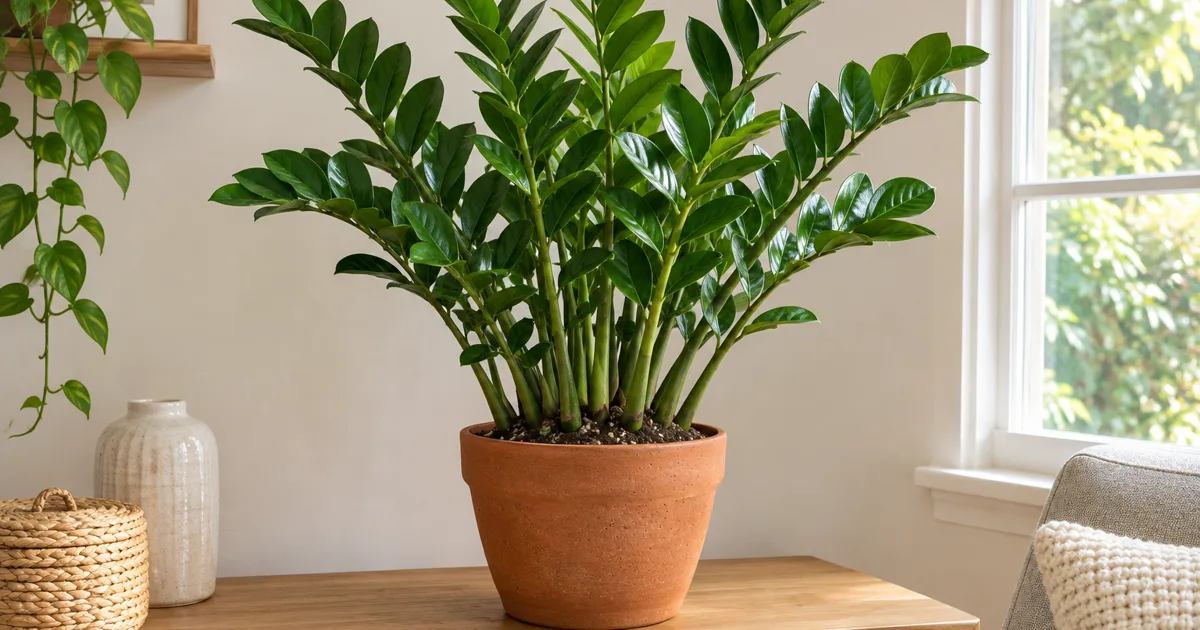
Most cats that bite an aloe leaf get a few hours of stomach upset. The ASPCA lists vomiting, lethargy and diarrhea. Neither the ASPCA nor the Pet Poison Helpline lists organ damage for aloe, which is why it sits in a very different category from lilies. A ZZ plant is toxic to cats in another way: its crystals hurt the mouth first, so the signs start with drooling rather than the stomach. Still, a cat that keeps vomiting can dehydrate, and kittens, small cats and cats that are already unwell need less to get sick.
You can often tell a bite happened before any sign appears. Look for torn, ragged leaf tips with wet gel showing, yellow sap stains on the leaf or the floor, or leaf pieces near the pot. A brown, dry, shriveled tip is more likely a watering problem; our guide to aloe plant drooping covers those causes.
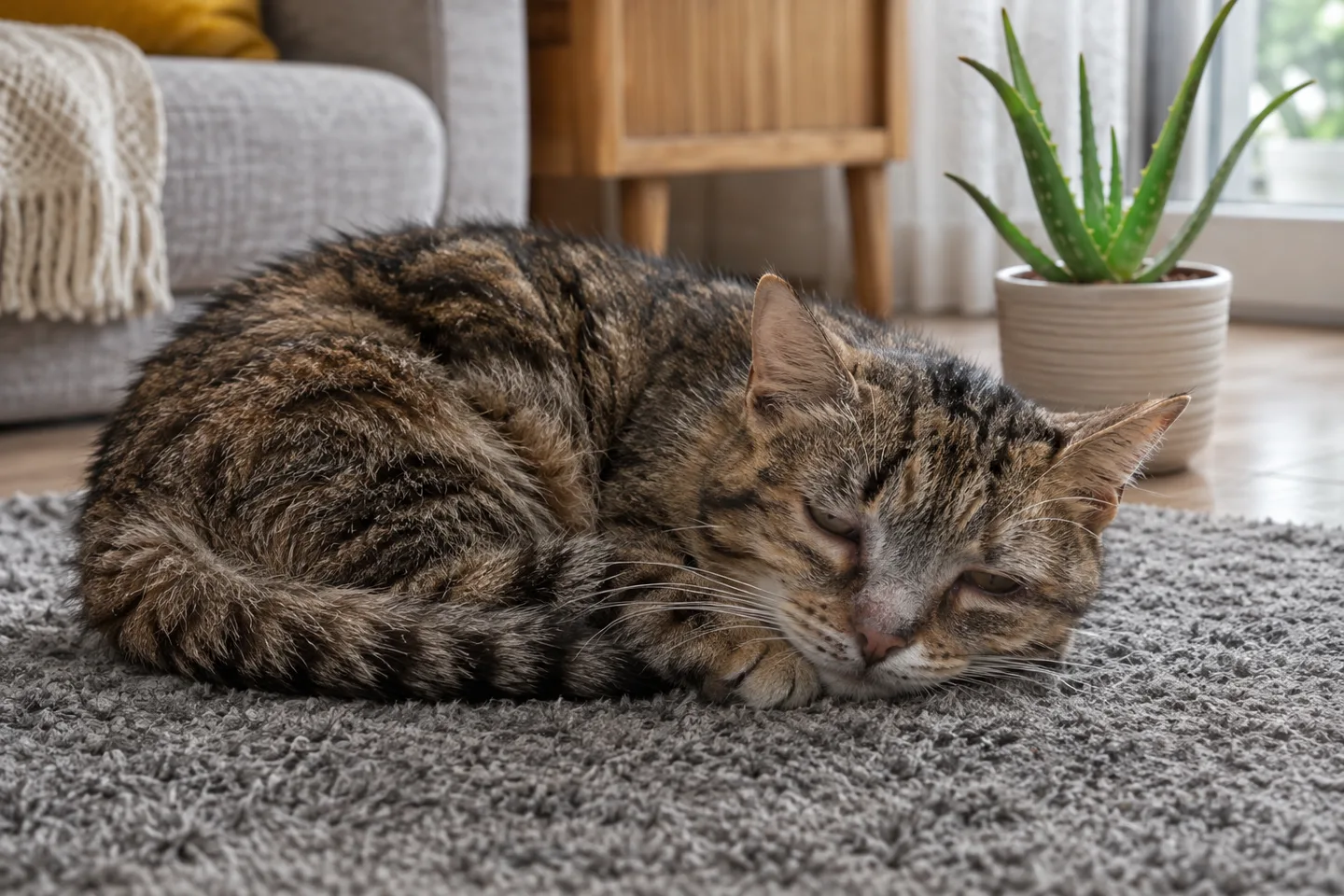
A tired, quiet cat after a plant bite is worth a call even if there has been no vomiting. Lethargy is one of the three signs the ASPCA lists, and it is the one owners notice last because a sleeping cat looks normal.
My cat ate aloe vera: what to do
If your cat is acting normally after a small bite, remove the plant and watch. If signs show up, or you do not know how much was eaten, call for advice instead of waiting it out.
What to do if your cat ate aloe vera
- Take the plant away
Move the pot to a room your cat cannot enter and pick up any leaf pieces, so the chewing stops while you sort things out.
- Check the mouth
Gently look for leaf bits in the mouth or teeth and wipe away any yellow sap on the lips or fur. Do not try to make your cat vomit unless a vet tells you to.
- Note what and when
Write down roughly how much leaf is missing and the time. Take a photo of the chewed plant so whoever you call can confirm it is aloe.
- Watch for signs
Look for vomiting, diarrhea, sleeping more than usual, hiding or skipping food and water.
- Call if anything shows
Call your vet or an animal poison control line if signs appear, if your cat ate a lot, or if your cat is a kitten, elderly or already ill. ASPCA Animal Poison Control is on (888) 426-4435; a consultation fee may apply.
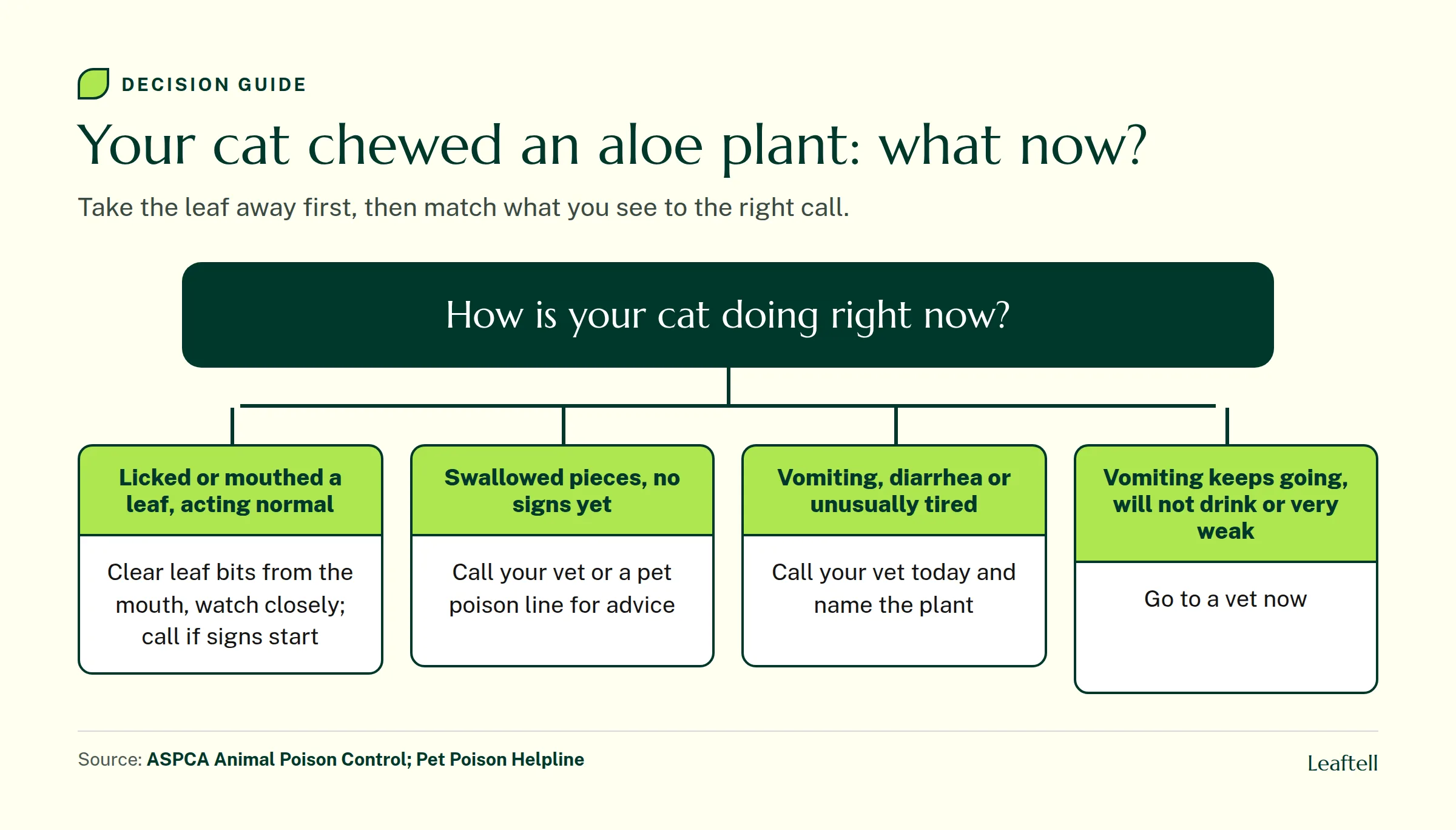
When you call, say "aloe vera" and, if you know it, the botanical name on the pot tag (Aloe vera or Aloe barbadensis). Other succulents get sold as "aloe" too, and the right name gets you a faster answer.
Why cats chew aloe vera
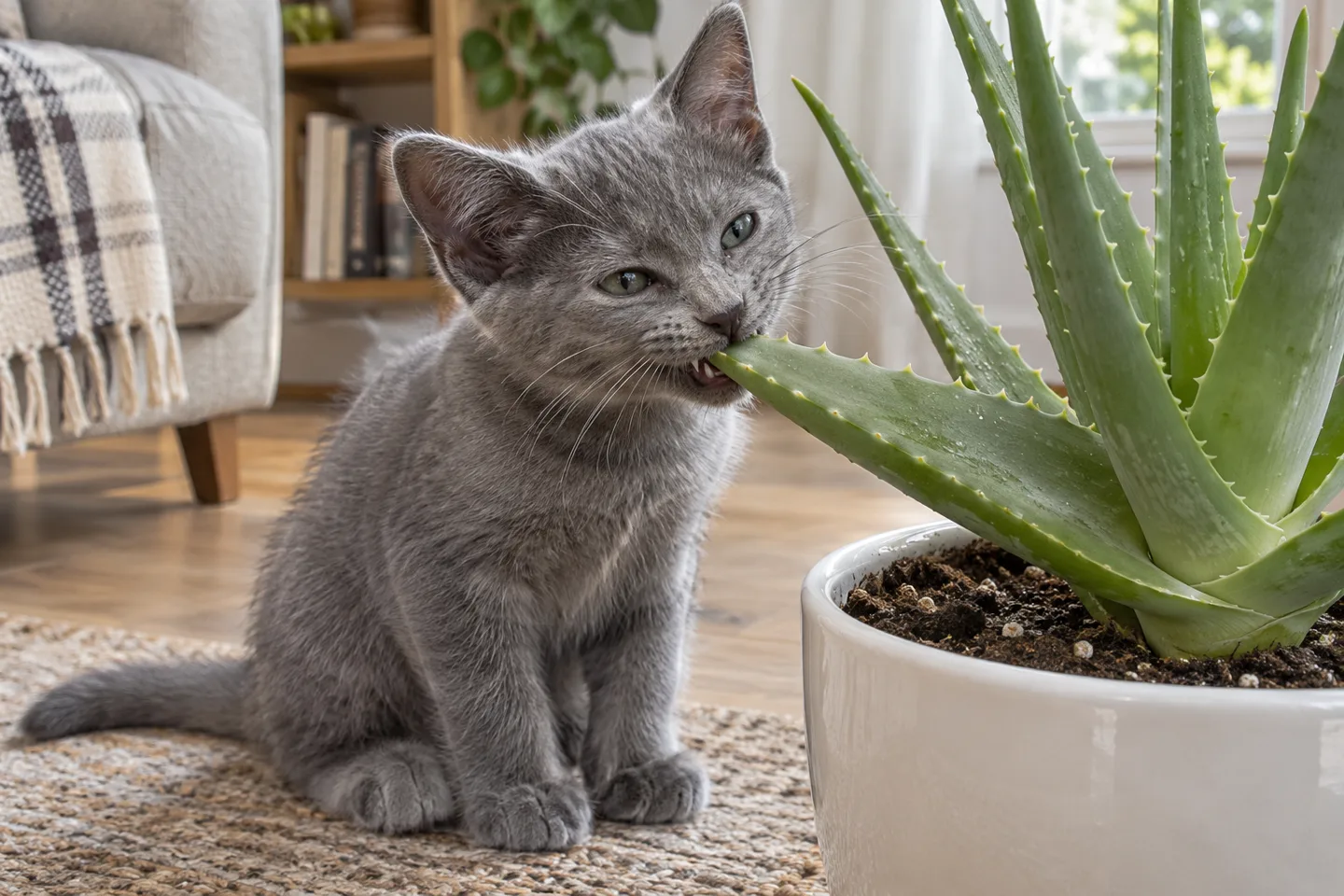
Nobody knows for sure why some cats go for aloe. Cats chew plants in general, and the usual explanations are texture, boredom and the urge to chew something grass like. Aloe fits the profile: the leaves are juicy, they stand at nose height on a windowsill, and they wobble when batted. Kittens are the biggest offenders, which matches the most common story online: a four month old kitten that will not leave the aloe alone.
The bitter sap puts many cats off after one bite. Some keep coming back anyway. If your cat has bitten the plant more than once, treat that as your answer and change the setup rather than hoping it loses interest.
How to keep aloe vera with a cat
If your cat ignores plants, you can usually keep both. The whole job is distance.
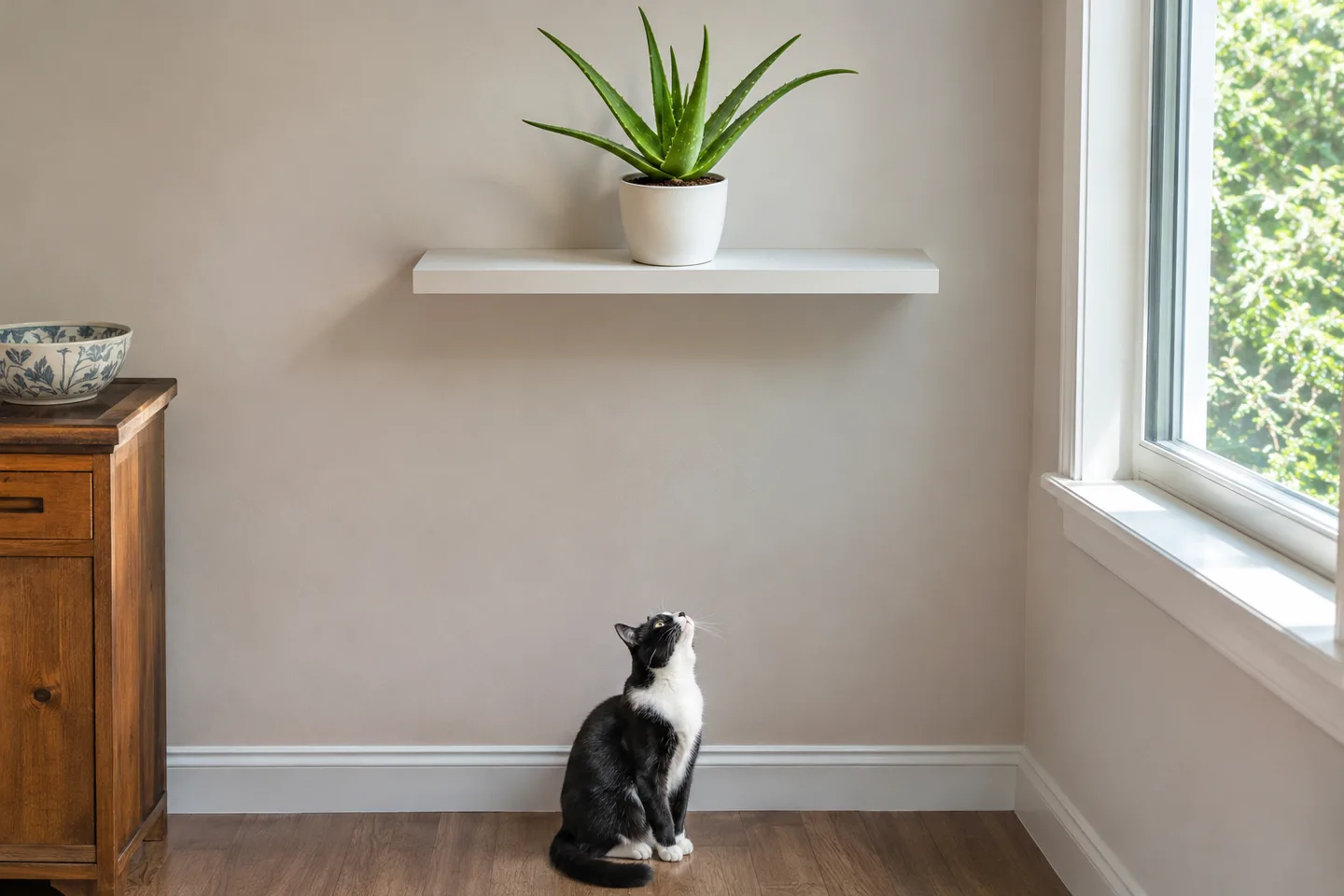
- Go high and out of jumping range. A wall shelf with no furniture nearby to launch from works better than a windowsill. Aloe wants bright light, so pick the brightest high spot you have; our aloe vera plant care guide covers how much sun it needs.
- Use a room your cat does not enter. A closed office or spare room beats every deterrent.
- Pick up every trimmed leaf and pup. Cut leaves and offsets from repotting are the pieces cats most often find on the floor.
- Give your cat something better to chew. A bowl of cat grass in an easy spot pulls attention away from houseplants for many cats.
- Check the tips once a week. New bite marks tell you the setup is failing before your cat gets sick.
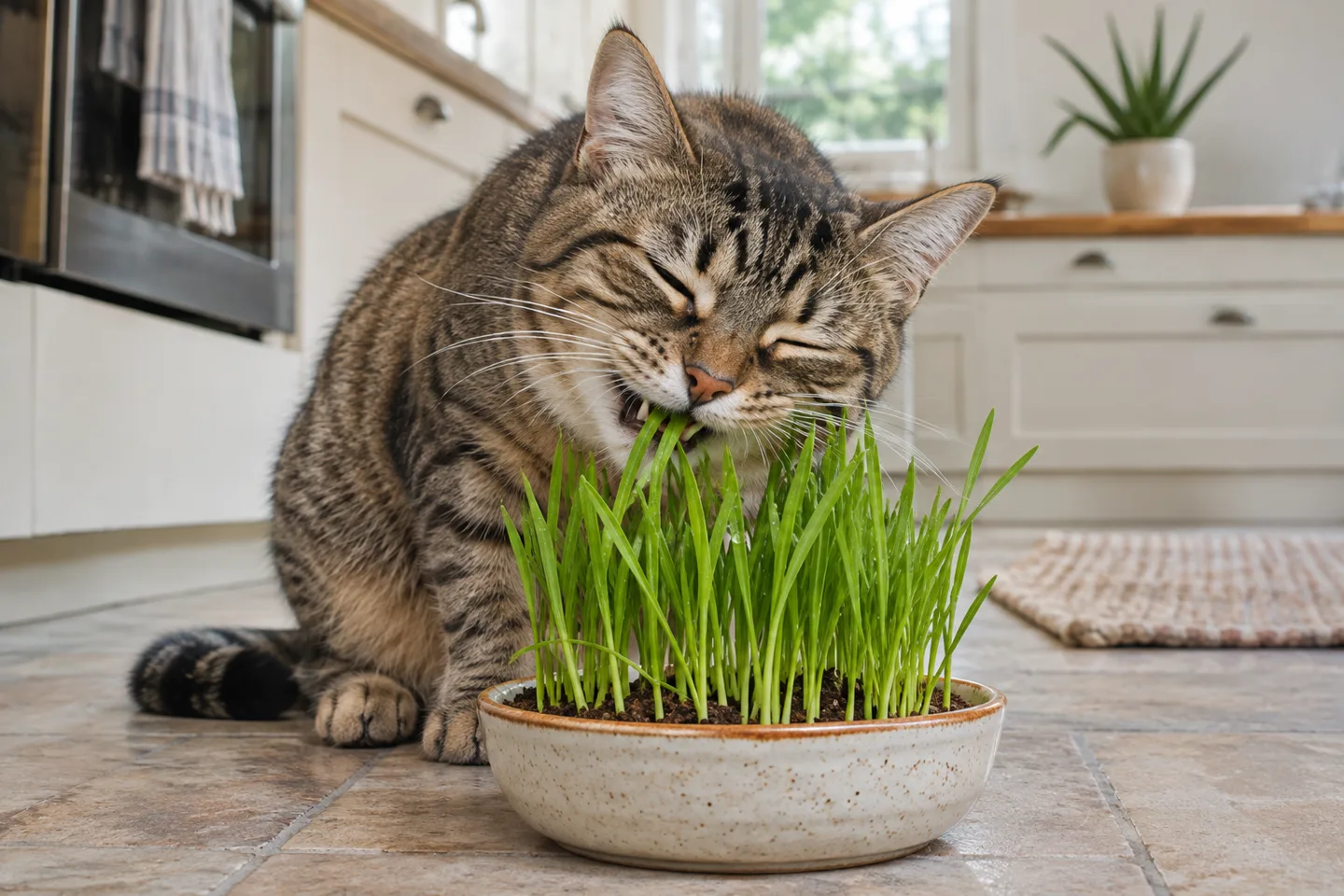
Do not rely on bitter sprays or citrus peels alone. They put some cats off and do nothing for others, and the plant stays toxic either way. A spot your cat physically cannot reach is the only fix that does not depend on your cat's taste.
Cat safe plants that look like aloe vera
If your cat is a plant chewer, swap rather than fight it. These are listed as non-toxic to cats by the ASPCA and give you the same spiky succulent look on a sunny sill.
| Plant | Why it works as a swap | ASPCA listing |
|---|---|---|
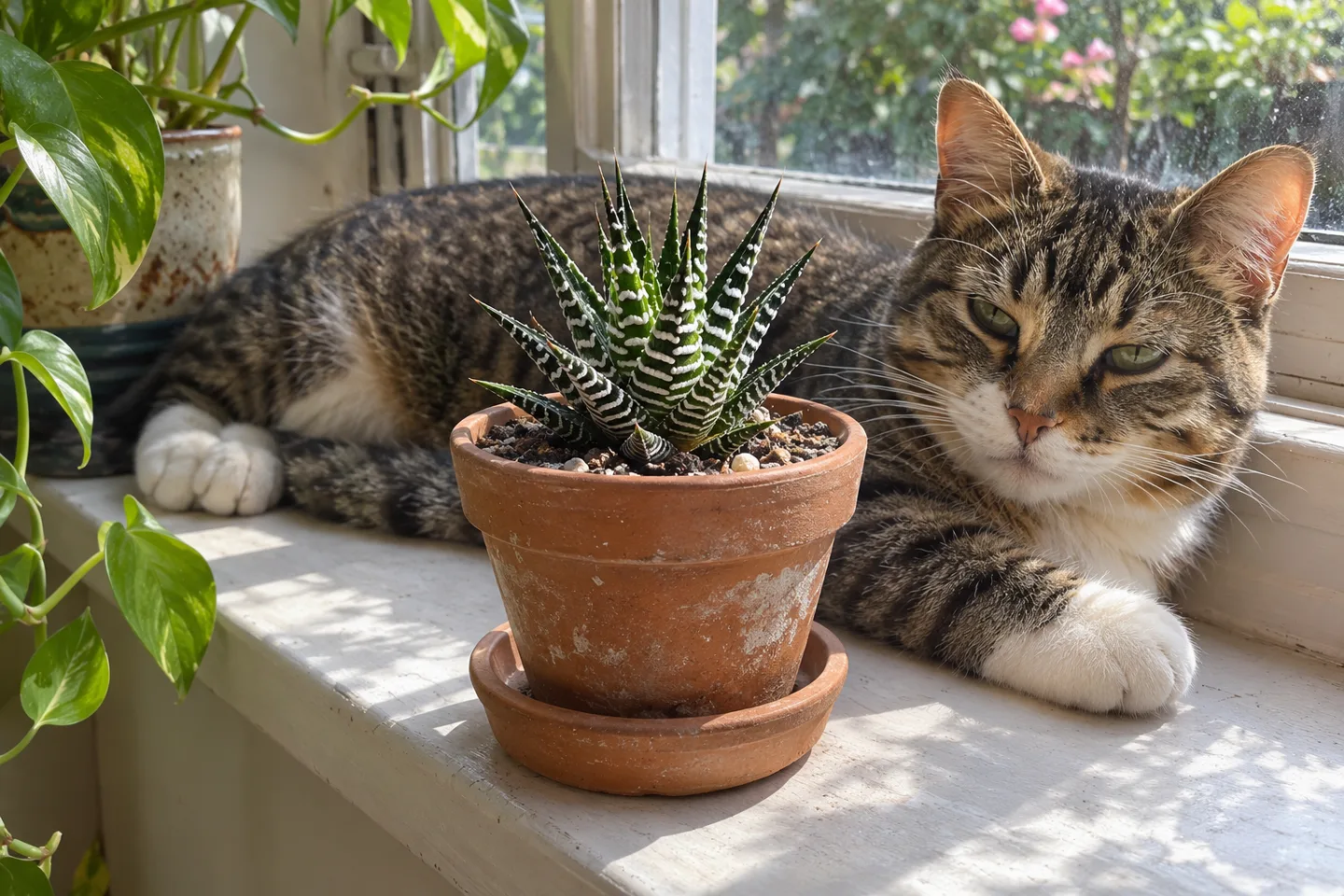
| Zebra haworthia | Stiff, pointed rosette like a mini aloe | Non-toxic to cats and dogs |
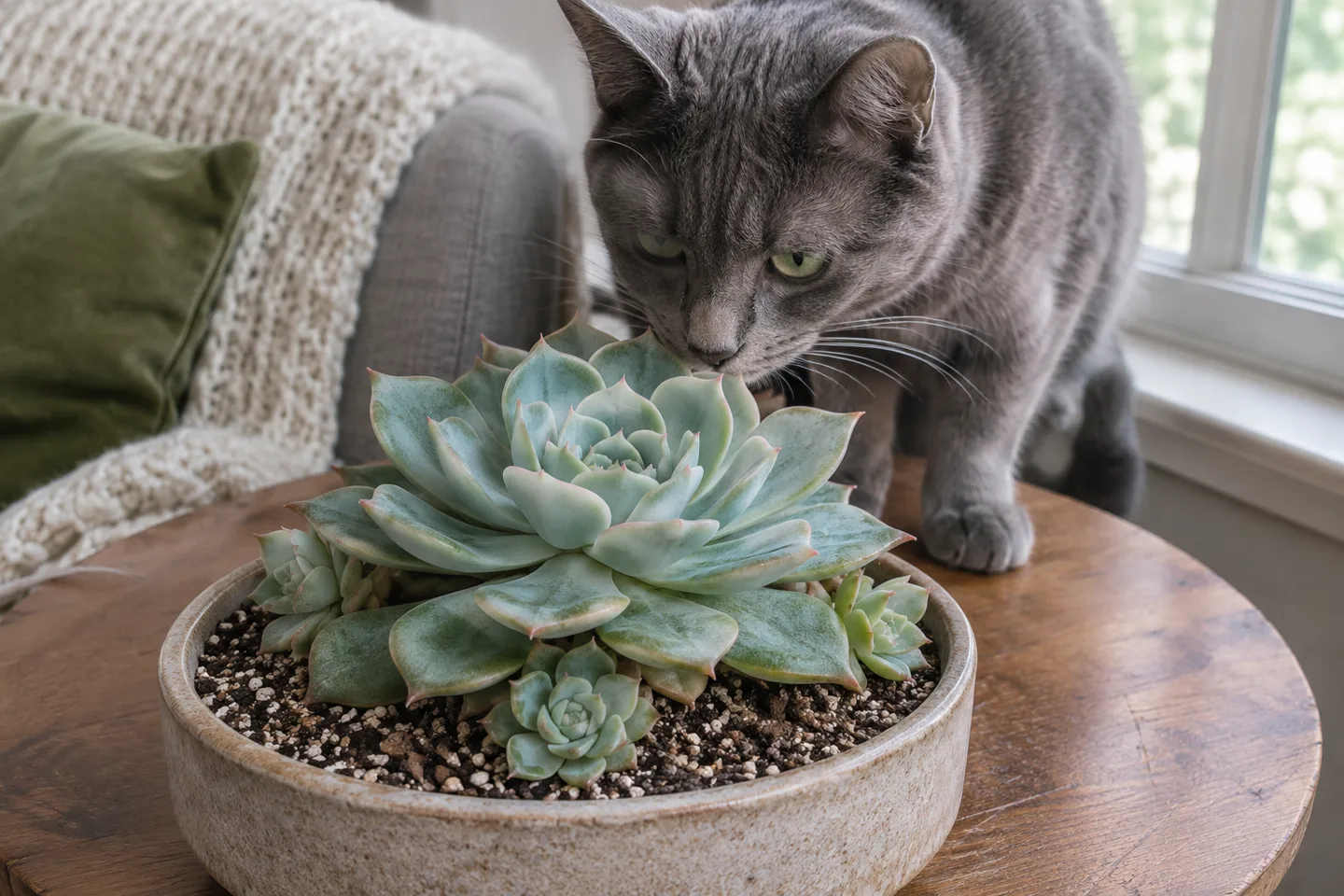
| Hens and chickens (Echeveria elegans) | Plump rosette, same bright window and dry soil care | Non-toxic to cats and dogs |
| Spider plant | Long strappy leaves, forgiving care | Non-toxic to cats and dogs |
| Jade plant | Not a swap: also toxic to cats | Toxic to cats and dogs |
Zebra haworthia is the closest swap. It is a cousin of aloe with the same pointed rosette, it stays small enough for any sill, and it takes the same dry between waterings routine described in our succulent plant care guide.
Echeveria gives you a softer rosette and handles the same bright spot. If you want something bigger and trailing, a spider plant is just as forgiving; our spider plant care guide covers light and water. A nibble will not hurt your cat, though a chewed spider plant looks ragged, so hang it if your cat is persistent.
Watch the jade plant row. Jade looks like a safe chunky succulent and it is sold right next to haworthia, but the ASPCA lists it as toxic to cats too. The same goes for snake plants: we break down that risk in are snake plants pet safe.
The short answer
Aloe vera is poisonous to cats, but the usual result of a bite is vomiting, diarrhea or a sleepy cat, not an emergency. The clear gel is not the issue; the yellow sap under the skin is. Decide by your cat, not the label: a cat that ignores plants can live with an aloe on a high shelf, while a kitten or a chewer is better off with a zebra haworthia. If a bite happens, move the plant, watch for signs and call your vet or a pet poison line if anything shows. Keeping the aloe? Our guide on how often to water aloe keeps it healthy up on that shelf.
Check your growing conditions with the plant watering calculator.
Frequently asked questions
Most cats get stomach upset: vomiting, diarrhea or lethargy, the signs the ASPCA lists for aloe. The cause is the bitter yellow sap under the leaf skin, which acts as a purgative. Remove the plant, check your cat's mouth and call your vet or a pet poison line if any sign appears or you think a lot was eaten.
The ASPCA notes that the clear gel inside the leaf is considered edible; the toxic compounds sit in the skin and the yellow sap. Store bought gels are a different matter, because they can contain whole leaf aloe or other ingredients. Do not put aloe products on your cat, and call your vet with the label if your cat licked some.
No one knows for sure. Cats chew plants in general, and aloe has juicy leaves at nose height on a windowsill that wobble when batted. Kittens are the most likely to chew. If your cat bites it more than once, move the plant out of reach rather than waiting for the cat to lose interest.
Lilies. True lilies (Lilium species) are listed by the ASPCA as causing kidney failure in cats, which makes them far more dangerous than aloe. Keep lilies out of any home with a cat, including cut flowers in a vase.
Yes. The ASPCA lists aloe vera as toxic to dogs as well as cats, with the same signs: vomiting, diarrhea and lethargy. Puppies that chew floor pots are the ones most at risk, so the same out of reach rules apply.
Share article
About the author

Keep checking your plant
Plant care reference
Indoor plant care
Build a routine around your plant, light and potting mix.
Plant care reference
Why is my plant dying
Trace leaf and root symptoms before choosing a care change.
Plant care reference
Pothos plant care
Choose a growing spot and prune a trailing pothos for fuller growth.
Plant care reference
How to fix root rot
Inspect root firmness and drainage, then decide whether to repot.