Tomato leaves curling: harmless roll or a virus to act on
Filip Leszczyński 16 October 2026 13 min read
In this article
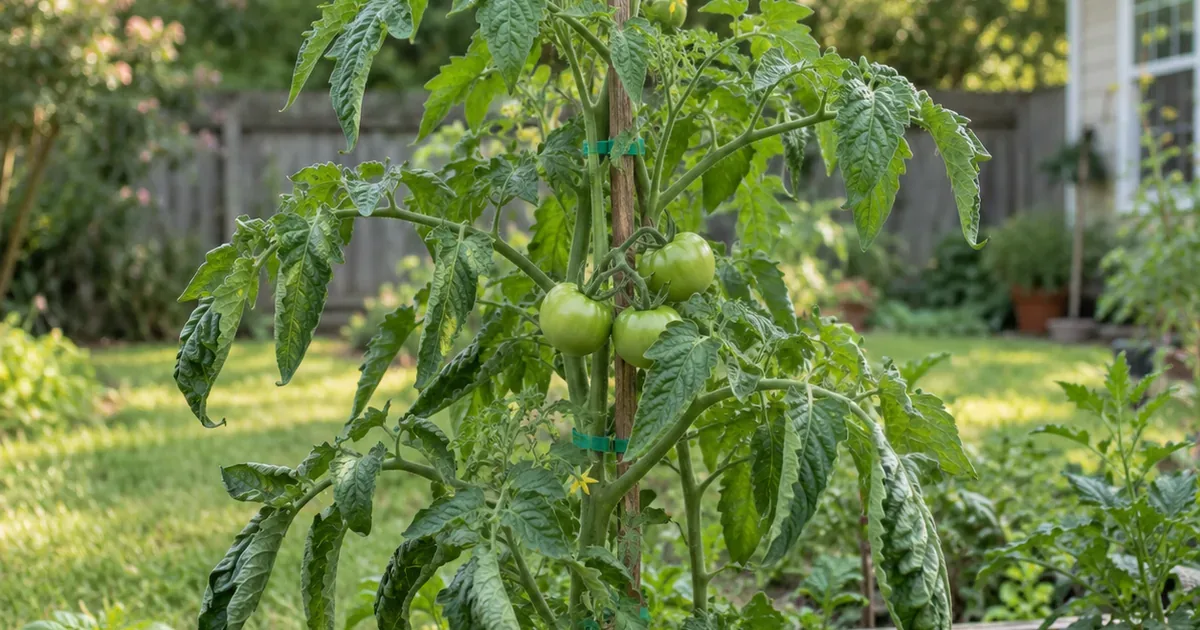
Tomato leaves curling upward while staying green and leathery is usually physiological leaf roll, a reaction to heat, drought, heavy watering, root damage, too much nitrogen or hard pruning, and Clemson notes it usually has little effect on yield. Curling on small new leaves with yellow edges and stunted growth is a different story that points to a virus and needs identification, not a spray.
So the first job is comparing old leaves with new ones. Photograph an older rolled leaf and the youngest growth at the tip. Note the recent weather, any spraying nearby, and how the soil feels where the roots actually grow. Then decide.
The counterintuitive part: the most common kind of curl needs almost nothing from you. The fix is steady care, and the biggest risk is overreacting with water, fertilizer or pruning that makes the roll worse.
Why are my tomato leaves curling? Compare old and new leaves
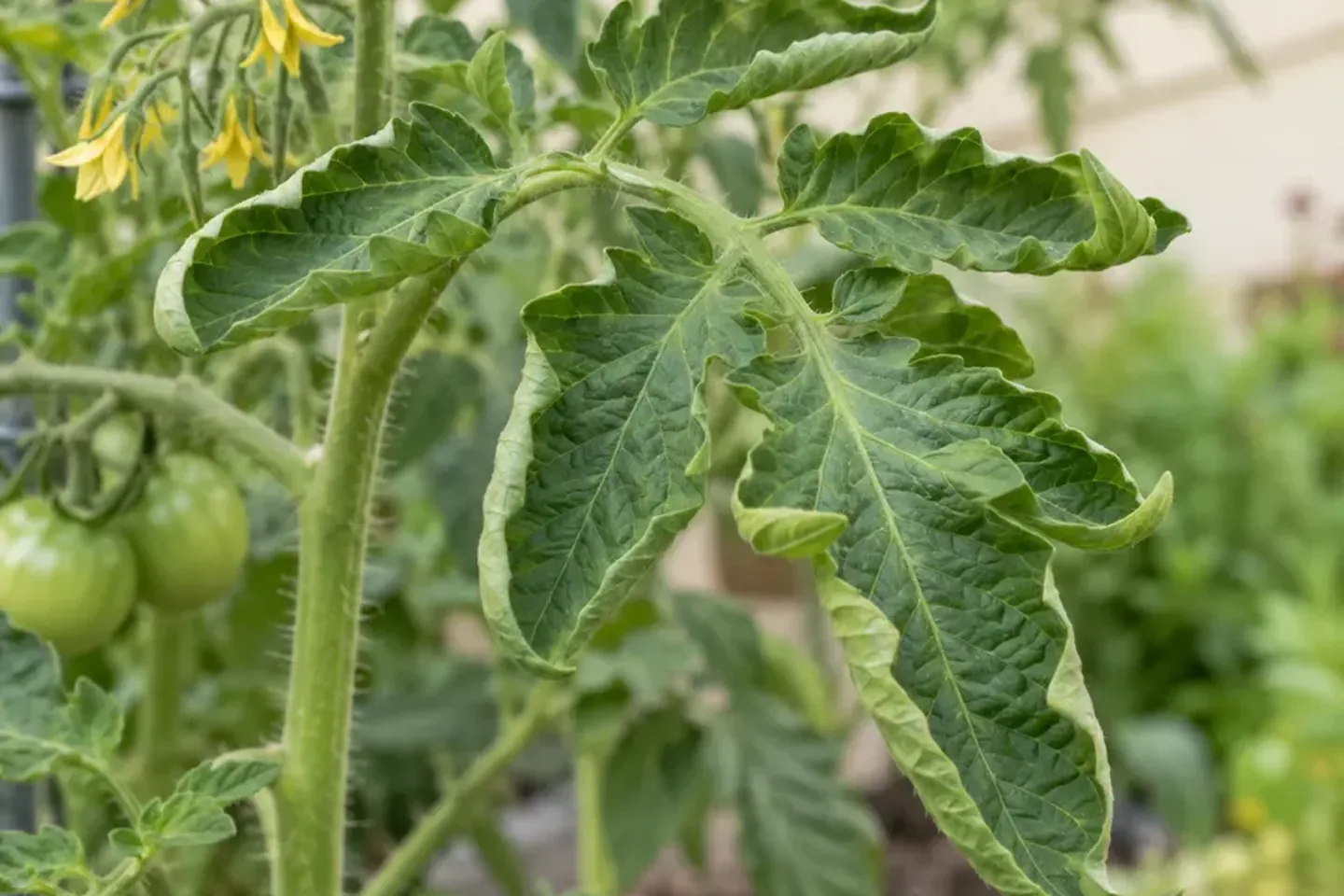
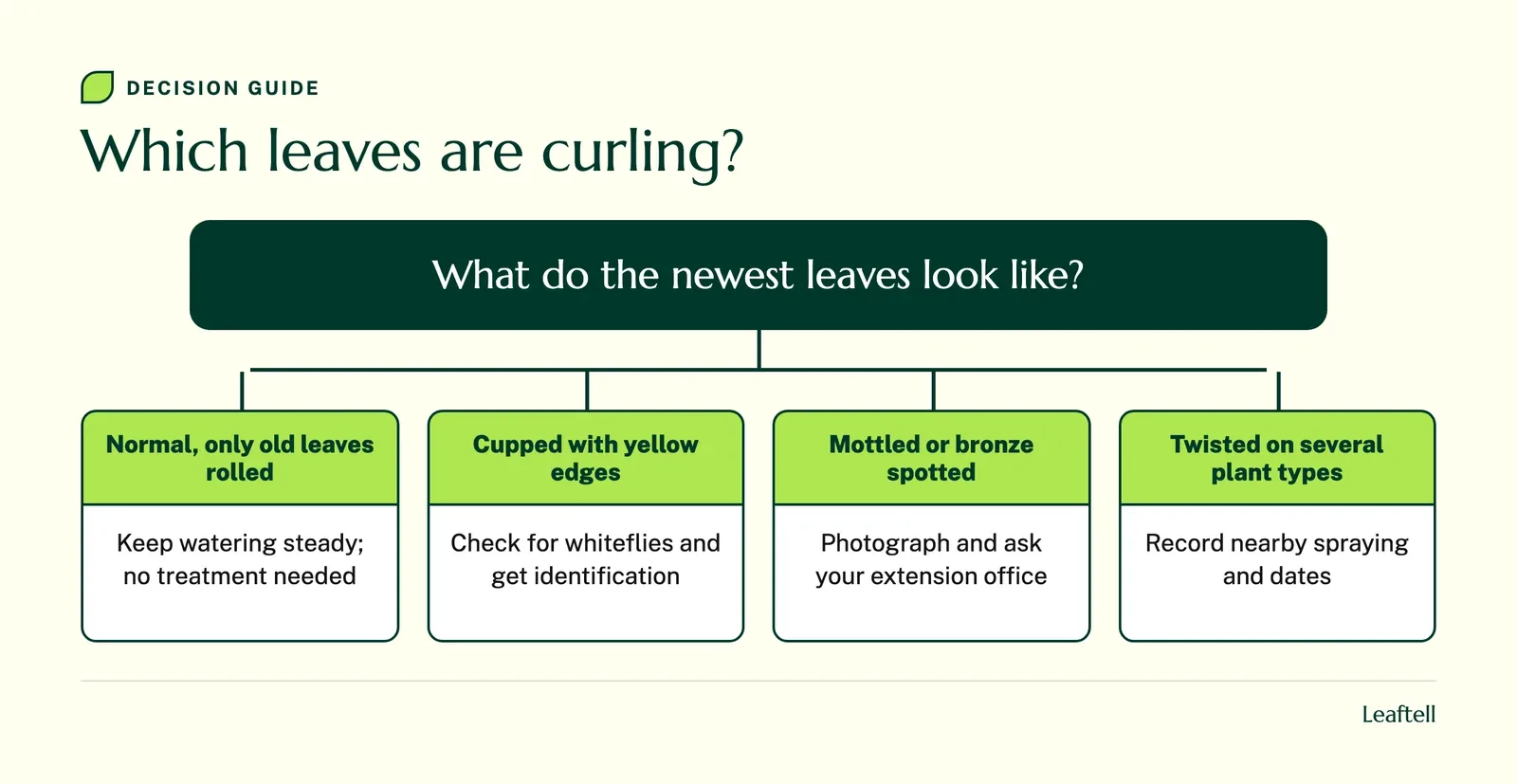
Most tomato leaf curl is physiological roll: mature leaflets rolling upward along the midrib while staying green, with normal new growth at the tips. Distorted, cupped or yellow-edged new leaves point to something else, often a virus.
Clemson's fact sheet on tomato leaves rolling describes affected leaves as thickened and leathery while keeping a healthy green color. Heat, drought, excess moisture, root damage, excess nitrogen and severe pruning can all trigger it. Normal expanding tips are the clue that separates it from disease.
Tomato yellow leaf curl virus (TYLCV) looks different: small new leaves cupped upward, yellow margins, stunting and sometimes dropped flowers. Clemson reports infected plants can show no symptoms for 2-3 weeks, so a plant that looked fine when you bought it isn't automatically clean. Whiteflies spread this virus. Check under leaves and note any tiny white flying insects along with the leaf shape.
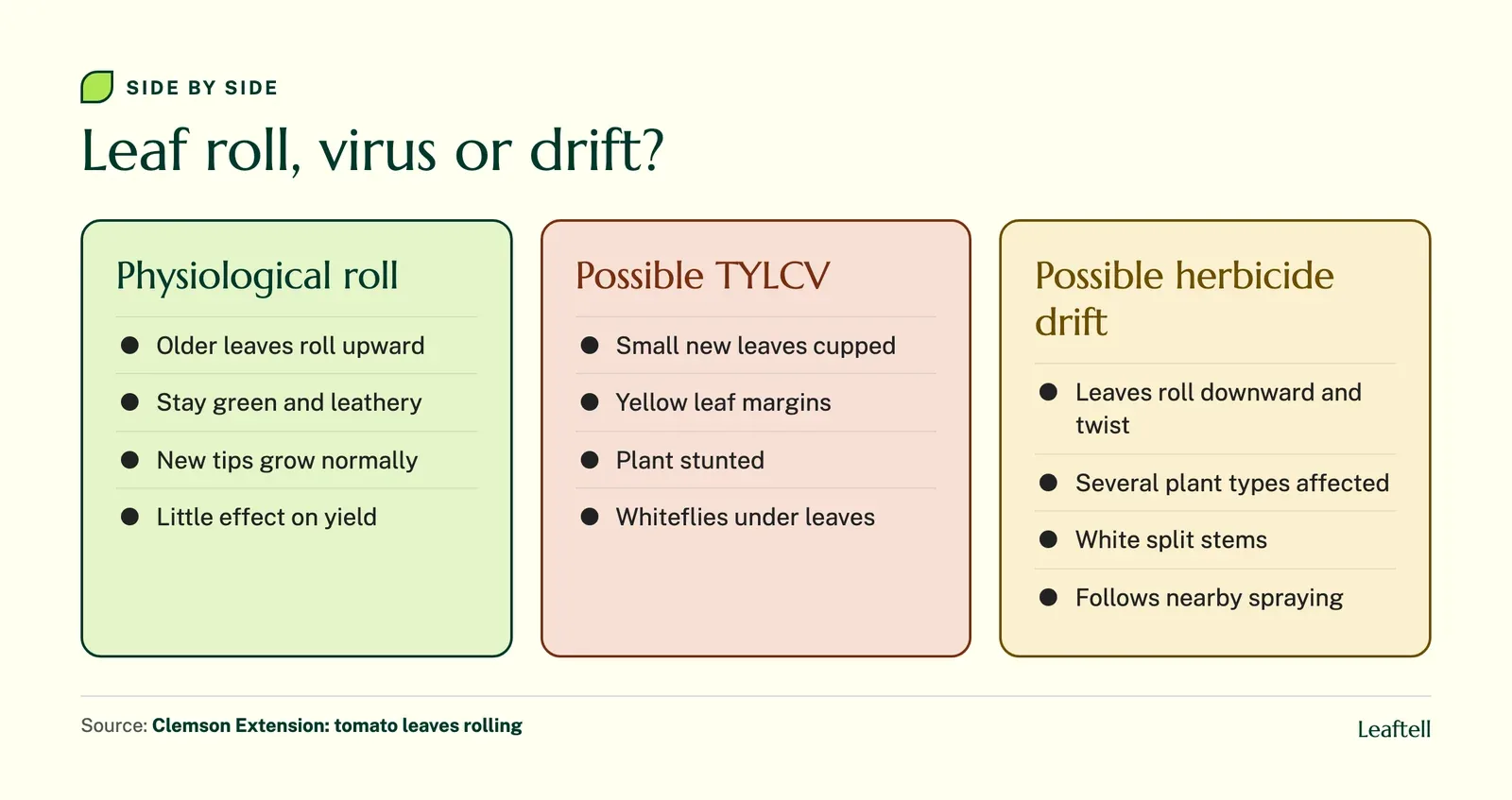
Direction alone can't separate these causes. Compare old and new leaves, stem growth, color and how many plants are affected. Maryland Extension recommends at least 6 hours of sun, preferably 8-10 hours. A container sitting next to hot pavement can get plenty of light and still need shade from the harshest afternoon heat. If new growth is distorted or the plant is clearly stunted, go past a watering tweak and get it identified. The tomato plant diseases guide covers the other diseases worth ruling out.
Stabilize the root zone
The best remedy for green physiological curl is steady soil moisture, not more water. Check the root zone first, water at the base when it needs it, and leave the leaves alone.
Maryland's tomato guidance gives a baseline for fruiting garden plants: 1-2 gallons per plant, once or twice a week, adjusted for rain, temperature, soil texture, mulch and plant size. That's not permission to pour water onto soil that's already wet. Feel the soil where the roots are, then water around the base instead of splashing the foliage. The wet or dry soil guide shows how to judge it.
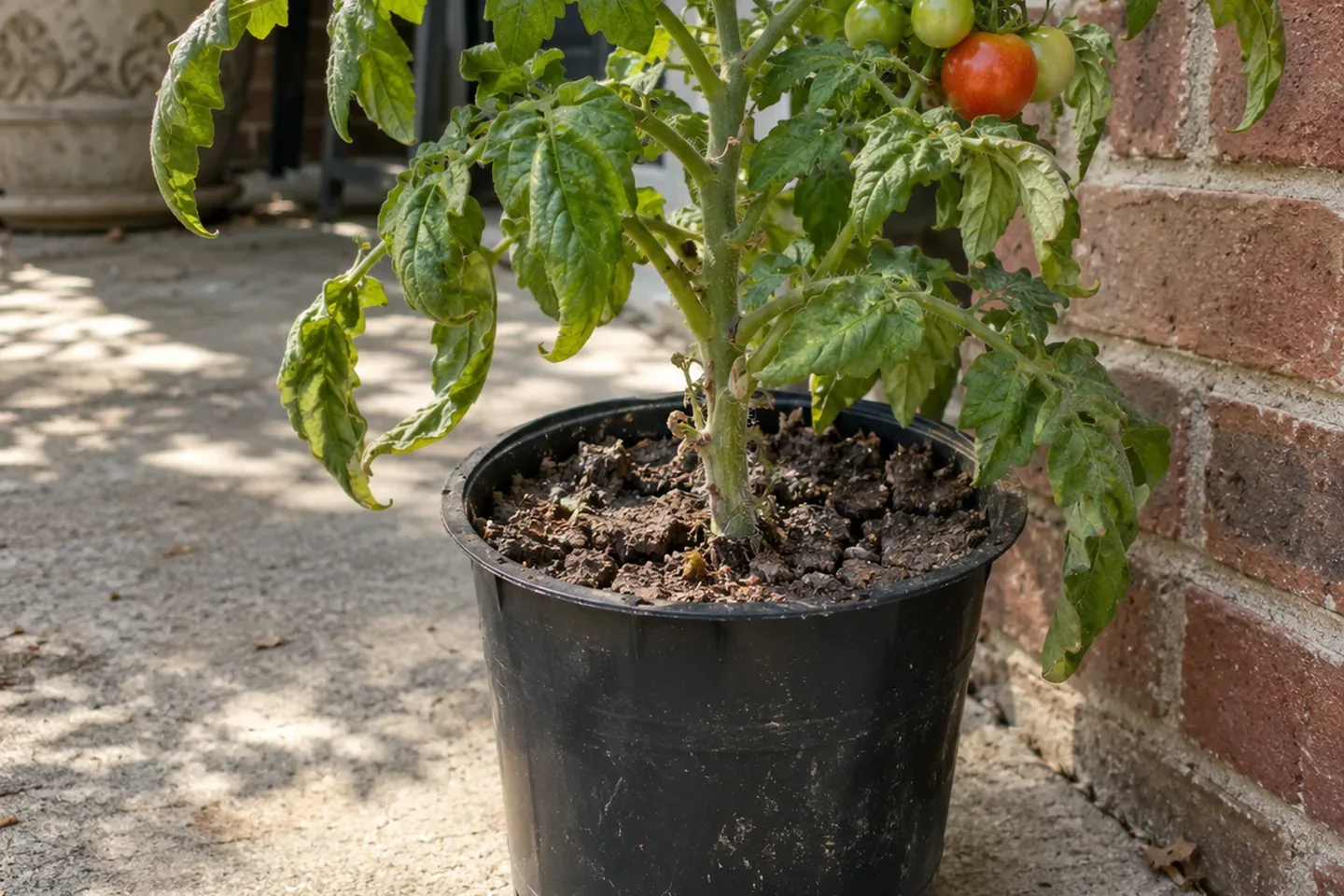
Containers need their own check. Maryland recommends at least 5 gallons of growing mix for full-sized varieties and notes container tomatoes may need daily watering in hot weather and feeding every 2-3 weeks. A small pot next to hot paving dries much faster than a mulched bed. Clear clogged drainage holes, make sure water reaches the root ball, and move an overheated pot somewhere with late afternoon shade.
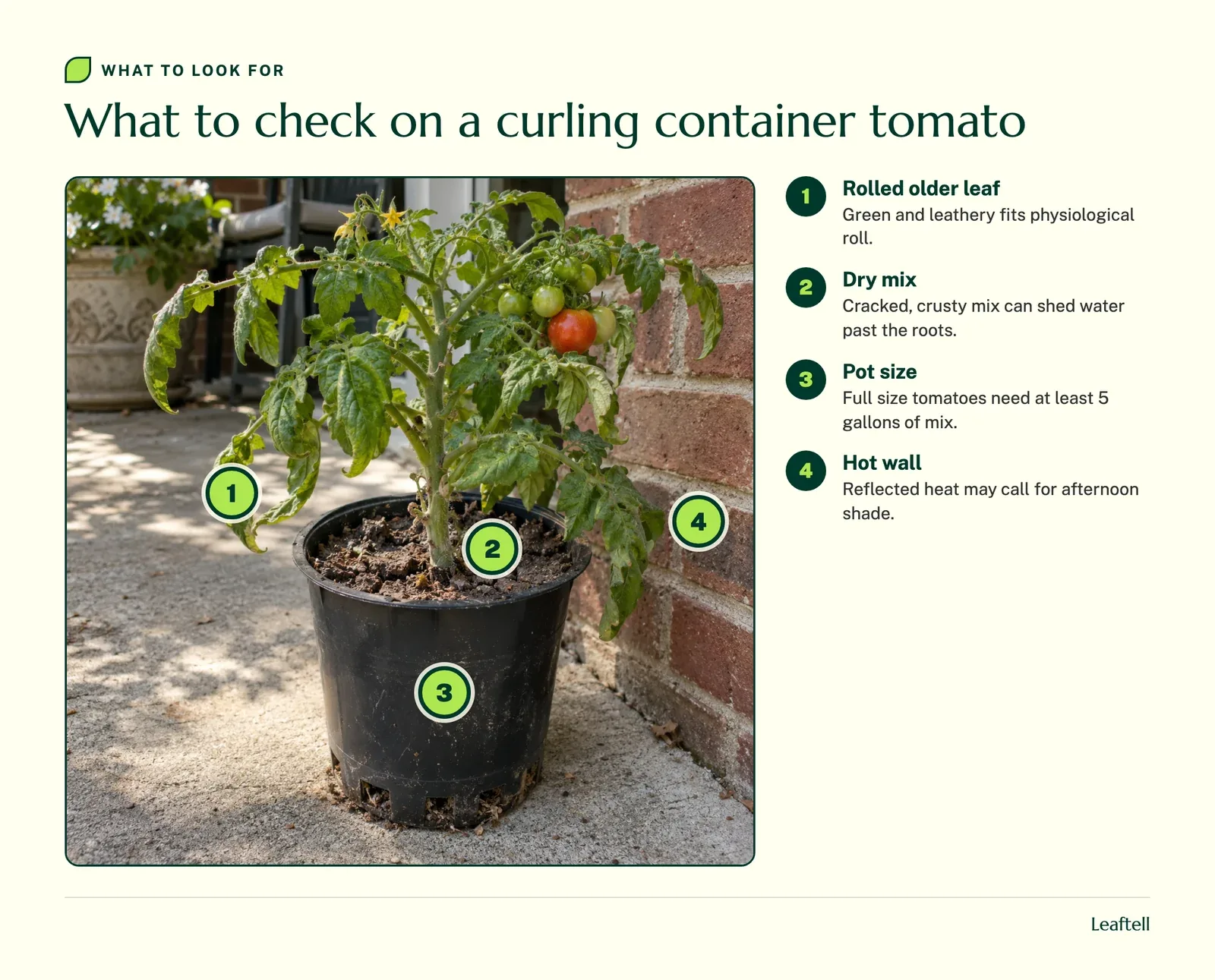
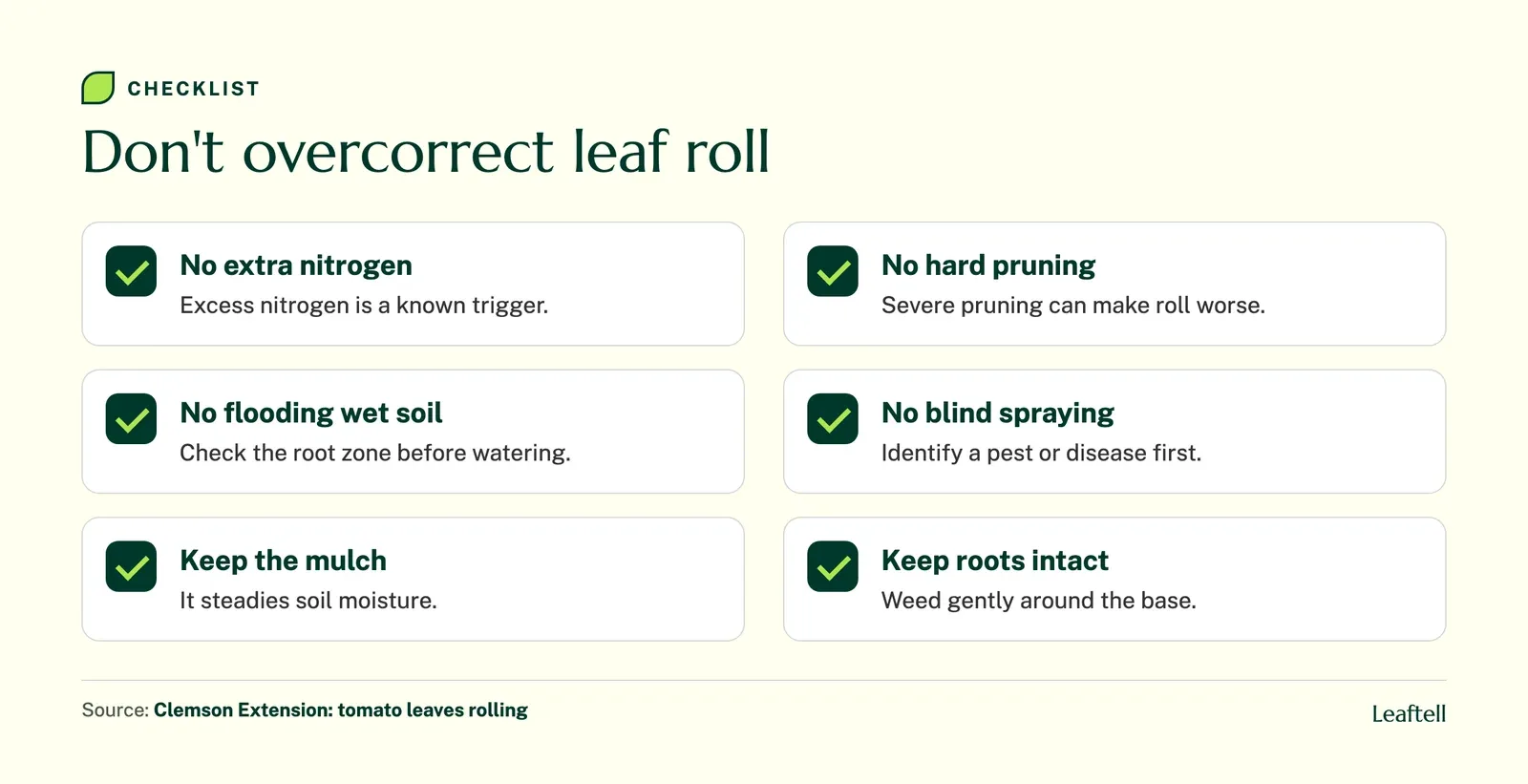
Don't answer green leaf roll with extra nitrogen. Clemson lists over-fertilizing and aggressive pruning among the triggers. Keep roots intact when you weed, keep the mulch in place, and don't strip leaves to make the plant look less curled. Old rolled leaves may stay rolled even after the fix works; that doesn't mean it failed. Watch whether new growth keeps coming in normal. If the soil stays wet and the plant wilts or discolors, read the overwatered plant symptoms guide before adding any more water.
| What you see | Likely cause | What to do first |
|---|---|---|
| Older leaves rolled up, green and leathery, tips normal | Physiological leaf roll | Keep moisture steady, stop pruning and extra nitrogen |
| Small new leaves cupped with yellow edges, plant stunted | Possible TYLCV | Check for whiteflies and get identification promptly |
| Mottled leaves, smaller leaflets, rolling | Possible tomato mosaic virus | Photograph and ask your extension office |
| Twisted narrow new growth on several plant types after spraying | Possible herbicide drift | Record what was sprayed nearby and when |
| Full-size tomato in under 5 gallons of mix | Root zone drying too fast | Check daily in heat, move to a bigger pot next season |
| Plants under 18 inches apart in the row | Crowding and root competition | Space 18-36 inches next planting, don't over-prune now |
Decisions from Clemson and Maryland Extension. Watering figures depend on moisture, weather and plant size.
Tomato leaf curl virus treatment: get identification first
There's no treatment that removes a virus from an infected tomato. What you can do is confirm the cause, remove confirmed infected plants, and protect the rest of the garden.
Clemson separates three viral suspects. TYLCV, spread by whiteflies, causes cupped yellow-edged new leaves. Tomato mosaic virus can cause rolling with mottled leaves and smaller leaflets. Tomato spotted wilt virus is the one to consider when young leaves develop bronze or dark spots and distorted growth; thrips spread it, and the thrips on plants guide shows what they look like. These are identification questions, not interchangeable labels for every curled leaf.
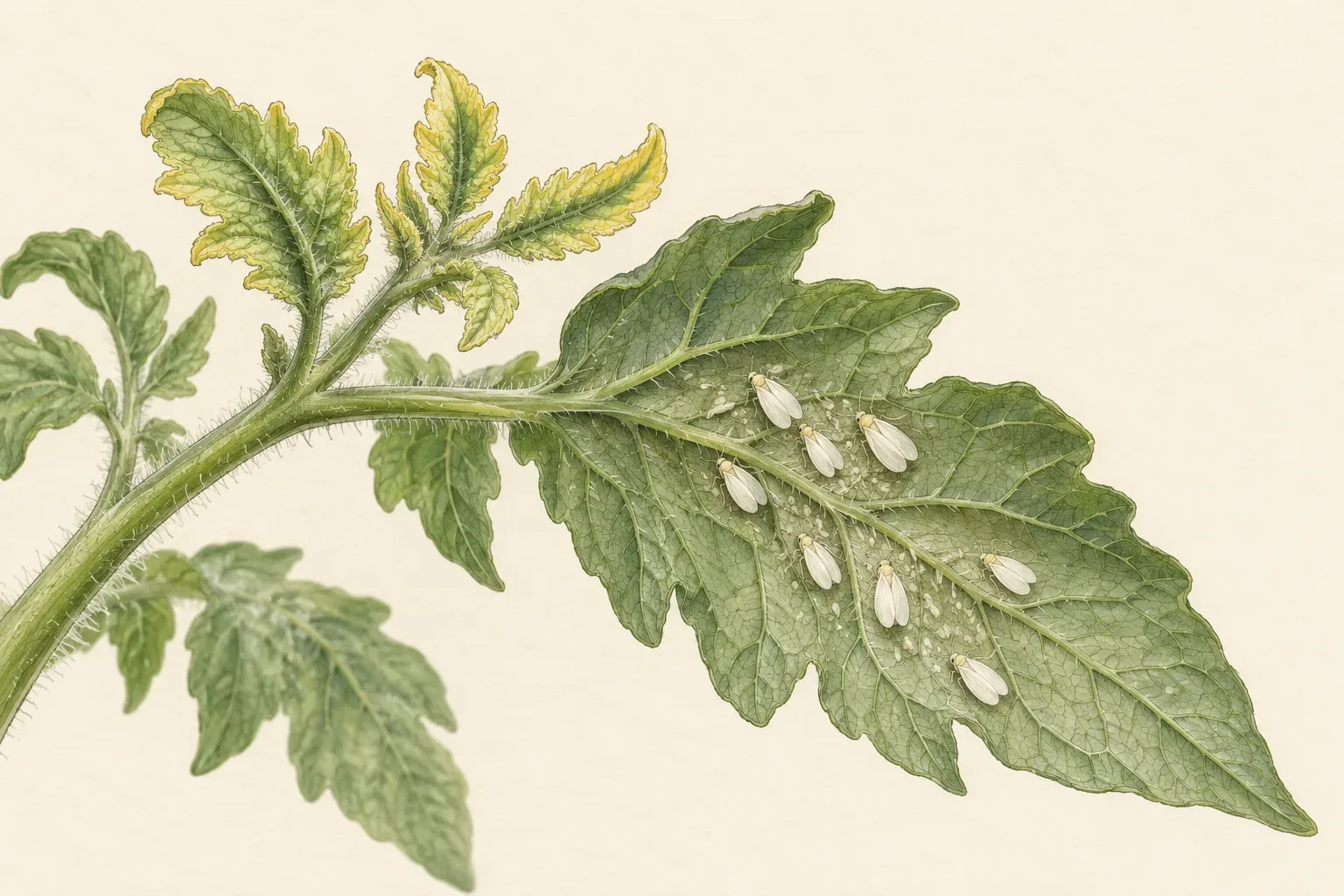
Because TYLCV can stay symptomless for 2-3 weeks after infection, a healthy-looking neighbor isn't proof nothing spread. Photograph the growing tip and leaf undersides, note any whiteflies, and ask your local extension office whether the pattern matches what's active in your area. Keep the timing in your notes, but don't diagnose by calendar alone.
Clemson recommends removing confirmed virus-infected plants and controlling host weeds. For suspected TYLCV, bag removed plants right away so feeding whiteflies don't escape. Don't pull a productive plant with ordinary green leaf roll; get the identification first. Clean tools after working on diseased plants. Resistant varieties and managing whiteflies and thrips protect future plantings; they don't cure a sick plant.
And skip the stronger-insecticide idea. No dose reverses a viral infection. If a confirmed pest needs treatment, start with physical removal, then use only a generic product class labeled for tomatoes and that pest, follow the label exactly, never mix products, and keep it away from kids and pets. Check the ASPCA toxic plants list if pets roam the garden.
Pictures of tomato leaf curl: include the surroundings
Good pictures of tomato leaf curl show the whole row, not just one leaf. Herbicide drift, crowding and heat from a nearby wall all show up in the wider shot and change what the curl means.
Herbicide drift can twist several kinds of broadleaf plants along an exposed edge of the garden. Clemson describes 2,4-D injury as downward leaf rolling and distorted growth, sometimes with white, split stems and malformed fruit. That's very different from healthy green lower leaflets rolling lengthwise after heat or pruning. Record any nearby spraying and when it happened, without assuming an odd leaf shape proves a neighbor caused it.
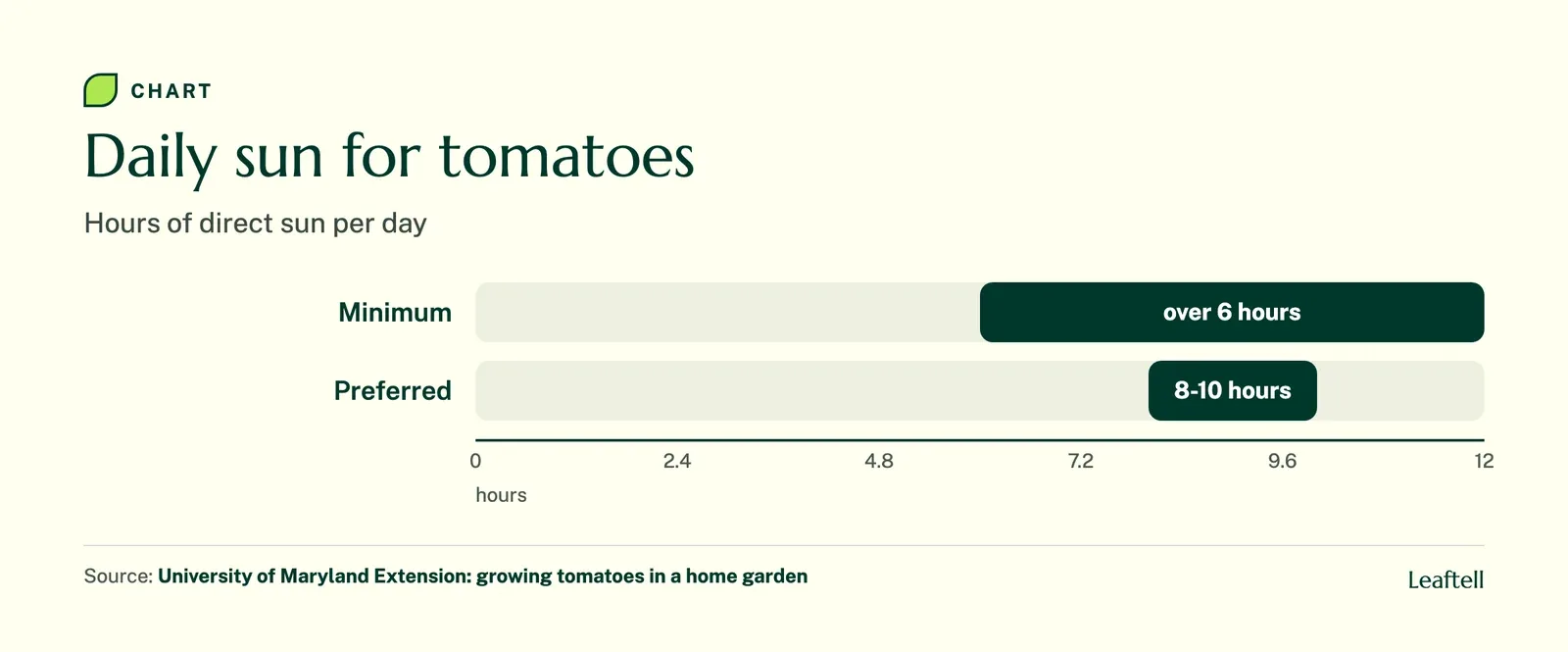
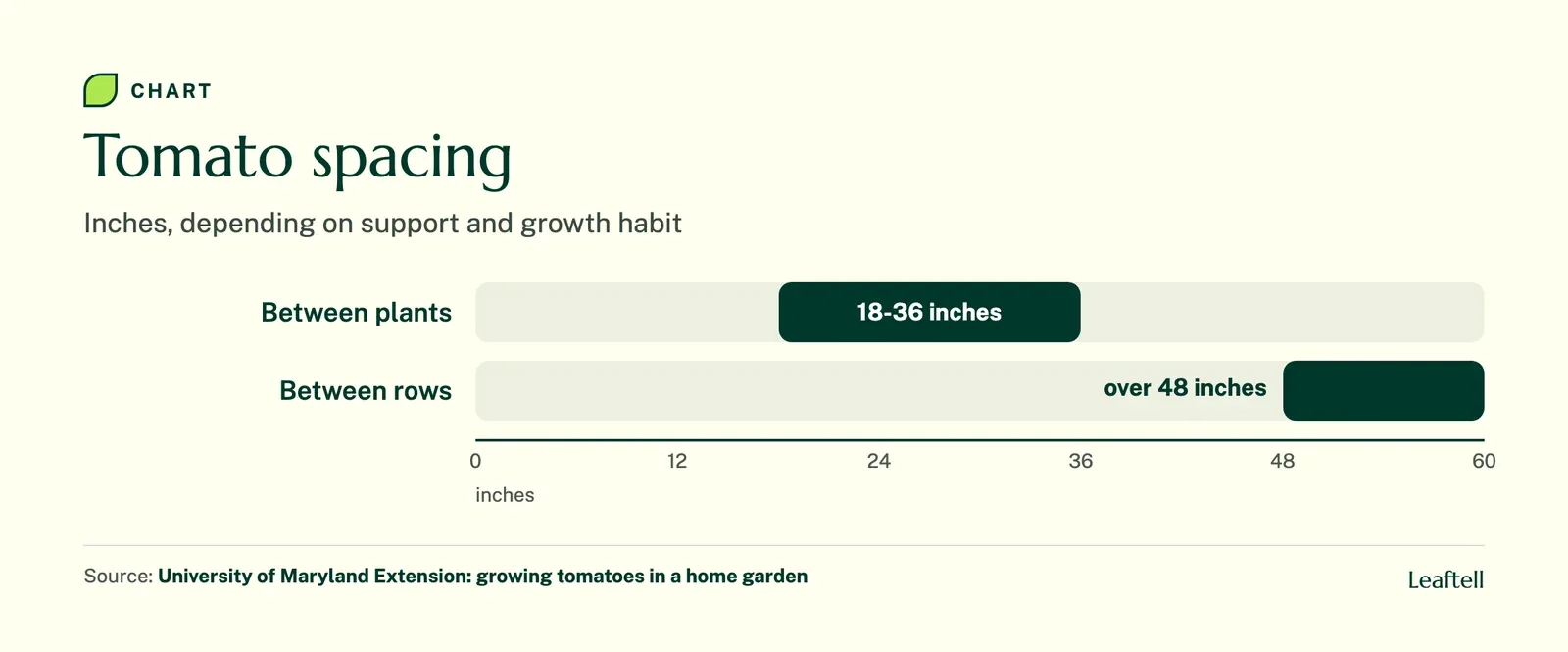
Photograph affected and unaffected plants, new leaves and stems. Maryland's spacing reference is 18-36 inches between tomato plants and 48-60 inches between rows, depending on support and growth habit. Crowding and root competition help explain water stress. They aren't evidence of chemical exposure, and hard pruning to open up a crowded bed can make physiological roll worse.
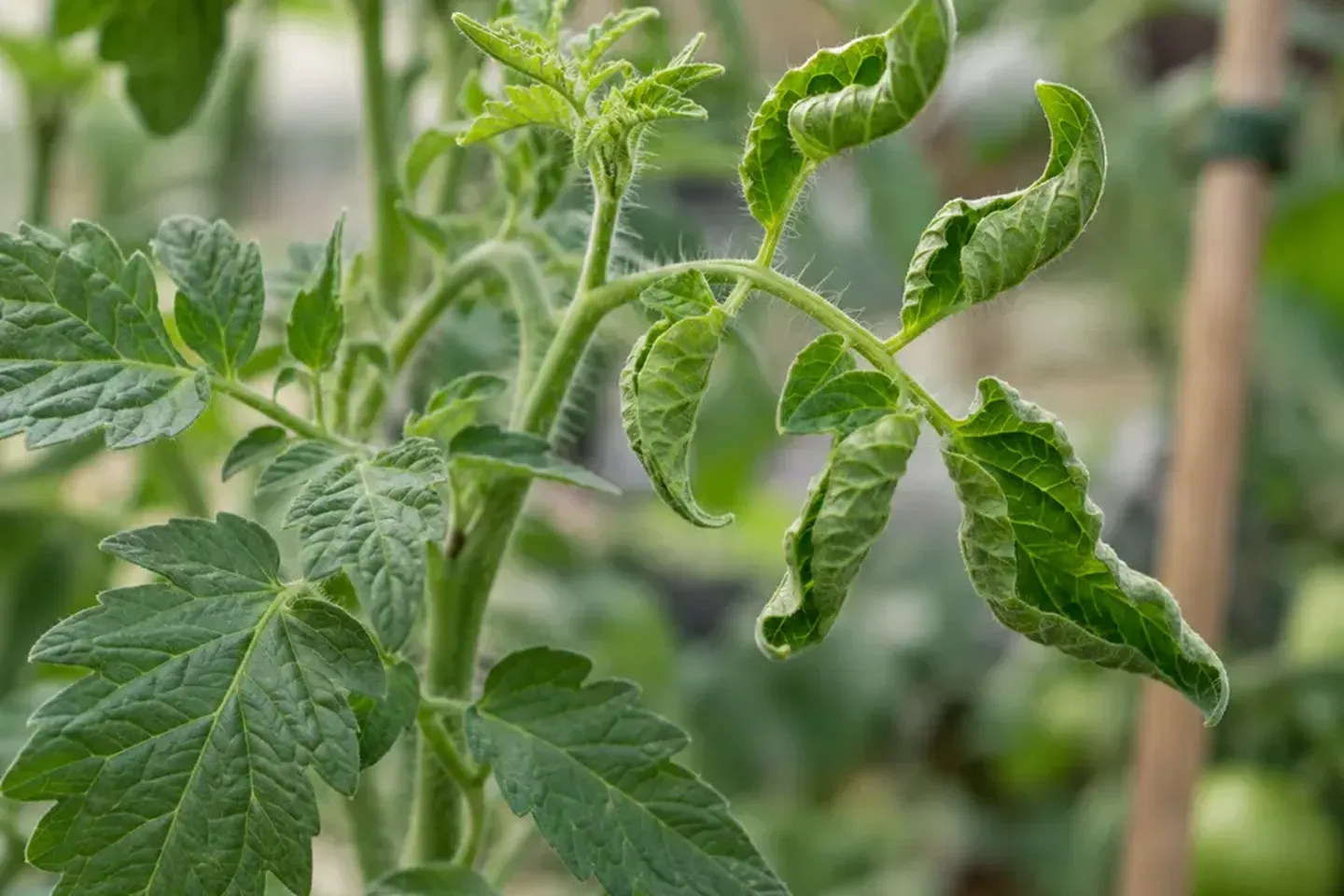
Clemson notes herbicide injury can't be reversed, though surviving plants may later put out normal growth. Avoid repeated corrective sprays or fertilizer. Ask your extension office to assess the pattern. For a container plant, include the pot size, drainage and how close it sits to a hot wall.
How to figure out why tomato leaves are curling
- Compare old and new leaves
Look at a mature rolled leaf and the youngest growth at the tip. Note whether the new leaves look normal or cupped, yellow-edged or twisted.
- Check the root zone
Feel the soil where the roots grow, not just the surface. In a container, check drainage holes and pot size against Maryland's 5-gallon minimum.
- Look under the leaves
Check undersides and the growing tip for whiteflies, thrips or other insects. Photograph anything you find.
- Review the last two weeks
Note heat waves, heavy rain, pruning, fertilizer and any spraying nearby. Write down dates.
- Photograph the whole row
Take one wide shot of affected and unaffected plants, plus close-ups of stems and new growth. Send these to your extension office if new growth is distorted.
Tomato leaves curling up and down: direction is one clue
Upward or downward curling is a starting description, not a diagnosis. Follow the other signs: color, which leaves are affected, and how the plant is growing.
Green, leathery mature leaves with healthy tips support physiological roll. Small cupped new growth with yellow margins and stunting raises the TYLCV question. Mottling suggests a different virus. Twisted, narrow, downward-curled foliage on several plant types after spraying raises herbicide exposure. Spots, dying stems or wilting take you beyond leaf roll entirely; the plant leaves curling guide covers curl causes on other plants.
Keep the care context straight. A full-sized container tomato needs at least 5 gallons of mix, and in hot weather it may need water daily. Fruiting garden plants have a different baseline of 1-2 gallons once or twice a week, adjusted for conditions. Don't apply both schedules to the same pot. Water already in the soil counts.
Judge the response through the next leaves and continued growth. No source guarantees rolled old leaves will flatten within a set number of days. Keep photos and note whether the green roll stays stable or new discoloration, stunting, pests or spots appear. If yellowing starts to show, the tomato leaves turning yellow guide covers that next step.
Mistakes that cost you a plant
The biggest mistake is pulling a healthy plant because its leaves curled. Physiological roll usually has little effect on yield, so removing a productive plant over it costs you the harvest for nothing.
The opposite mistake costs more: ignoring cupped, yellow-edged new growth on a stunted plant. If it's TYLCV, every week it stays in the garden with whiteflies around is a chance to spread to the next plant.
Then there's overcorrecting. Extra water on soil that's already wet starves roots of air. Extra nitrogen and hard pruning are on Clemson's list of triggers, so they make the roll worse. And spraying insecticide or fungicide at curl without a confirmed pest or disease adds cost and risk without fixing anything.
Tomato leaves curling: what to do next
If the old leaves are rolled but green and the new growth looks normal, keep watering steady at the base, mulch, stop pruning and skip extra nitrogen. That's physiological roll, and the plant will usually carry on producing.
Get identification from your local extension office if new leaves are cupped, yellow-edged, mottled or twisted, if the plant is stunted, or if several kinds of plants curled after nearby spraying. Bring photos of the tip, leaf undersides and the whole row, plus a timeline of weather, watering and anything applied.
Check your tomato in Leaftell. The check uses your answers; photos stay on your device.
Sources
- Clemson Extension: tomato leaves rolling
- Clemson Extension: tomato diseases and disorders
- University of Maryland Extension: key common problems tomatoes
- University of Maryland Extension: growing tomatoes in a home garden
- University of Maryland Extension: tomato tips
- University of Maryland Extension: diagnose indoor plant problems
- RHS: leaf damage on houseplants
- ASPCA: toxic and non toxic plants
Check your growing conditions with the plant watering calculator.
Frequently asked questions
Compare mature leaves with new growth, check soil moisture, and review recent heat, pruning and fertilizer. Green physiological roll usually needs nothing more than steady watering and leaving the plant alone.
Upward rolling of green, leathery older leaves is usually physiological leaf roll from heat, drought, heavy watering, root damage, extra nitrogen or hard pruning. If the newest leaves are cupped and yellow-edged, get it checked for a virus.
They may yellow or wilt while the soil stays wet. Curling alone doesn't confirm overwatering, so check drainage and the root zone first.
Some temporary curling can ease, but leaves that rolled or grew distorted often keep their shape. Judge the fix by whether new growth comes in normal.
No, nothing removes a virus from an infected plant. Confirm the cause with your extension office, remove confirmed infected plants, and manage whiteflies to protect the rest.
The useful response depends on the cause: steady watering, shade from extreme afternoon heat, or removing a confirmed pest by hand. Kitchen sprays aren't a universal fix.
No insecticide treats every cause of curl, and none cures a virus already in the plant. Identify the pest first, and only then use a product labeled for tomatoes and that pest, following the label.
Heat can trigger physiological roll, especially in containers beside hot pavement or walls. Tomatoes still need at least 6 hours of sun, so give afternoon shade rather than moving them into deep shade.
Share article
About the author

Keep checking your plant
Plant care reference
Indoor plant care
Build a routine around your plant, light and potting mix.
Plant care reference
Why is my plant dying
Trace leaf and root symptoms before choosing a care change.
Plant care reference
Pothos plant care
Choose a growing spot and prune a trailing pothos for fuller growth.
Plant care reference
How to fix root rot
Inspect root firmness and drainage, then decide whether to repot.