Why Is My Plant Dying? 5 Checks Before You Change Care
Filip Leszczyński 16 October 2026 12 min read
In this article
Most plants that look like they are dying are reacting to one condition you can find: water trapped in the pot, a dry root ball, the wrong light, or pests. Find the strongest clue, check the root zone, and change one thing, instead of throwing six treatments at a plant that needed one.
Order matters because the leaf you noticed is rarely where the trouble started. A yellow lower leaf on a heavy, soggy pot tells a different story than the same leaf on a light, dry pot. This guide walks through the checks in the order that saves the most plants, then sends you to the right symptom guide once you know what you are looking at.
One thing up front: a photo shows the leaf. It cannot show how wet the mix is 2 inches down, how heavy the pot feels, or what changed last week. Those answers decide the next step, and they are what Leaftell asks you about.
Look before you change anything
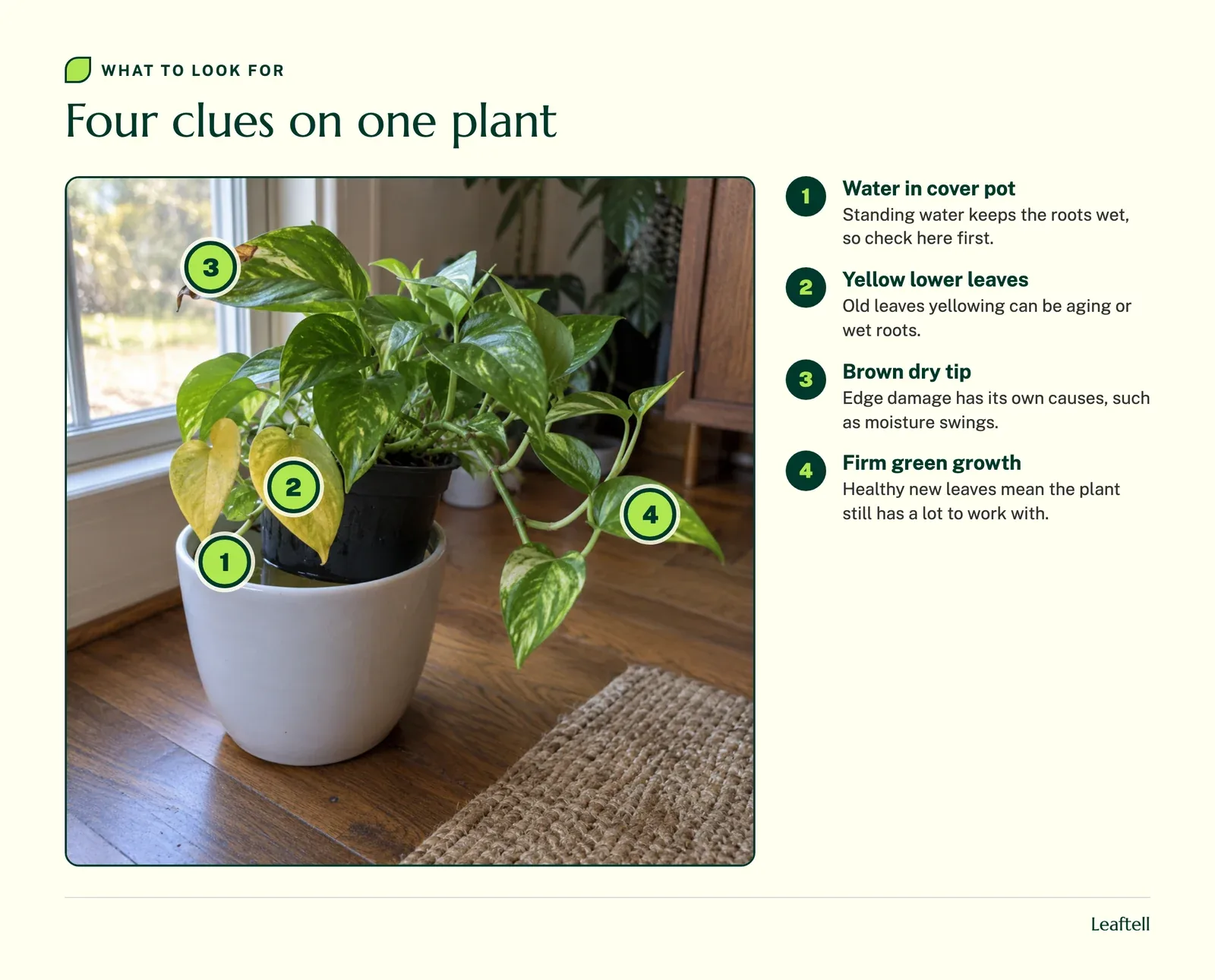
Put the plant somewhere bright and look at the whole thing before you touch a single leaf. Is the damage on one branch, on the oldest leaves, or on every growing tip? Press the stem base: firm is good news, soft is urgent. Then lift the pot out of its cover and see whether it is sitting in water.
Those four observations change the next step more than how dramatic the worst leaf looks. The University of Maryland Extension frames indoor plant diagnosis the same way: look at the pattern and the growing conditions, not one symptom in isolation.
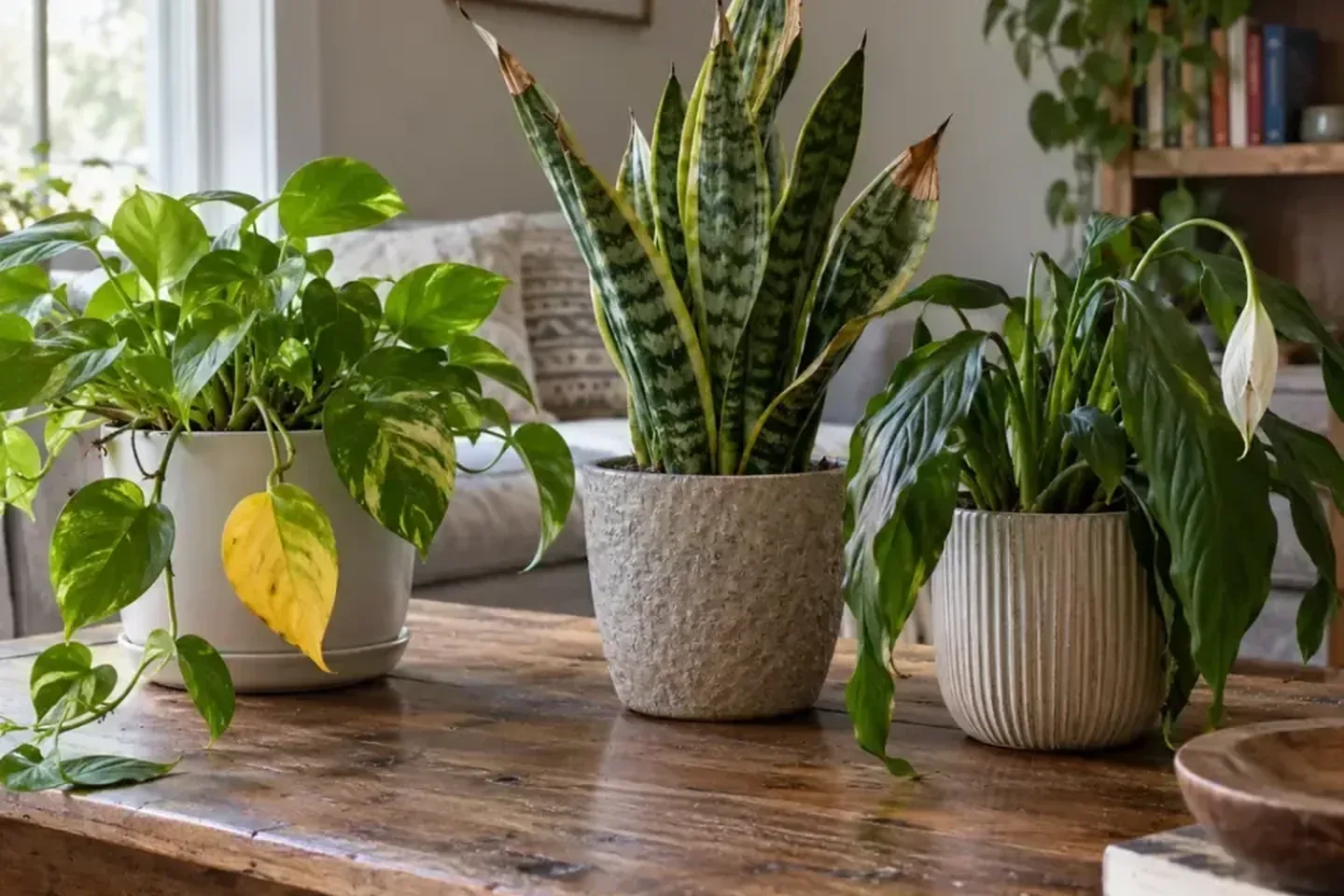
Next, write down what changed before the problem began. A move, a repot, a cold snap, a new product, a different person on watering duty. Keep that list separate from anything you do afterward. If you skip this, you end up reconstructing the story from memory two weeks later, and memory is a bad lab notebook.
Here is the counterintuitive part: count new damage, not old damage. A yellow leaf stays yellow even after you fix the cause, so a recovering plant can look worse for a while. The question is whether fresh leaves are still getting hit.
| What you see | What it usually points to | Check first |
|---|---|---|
| One yellow lower leaf, rest of the plant firm | Normal aging or a mild watering issue | Leaf age and moisture 2 inches down |
| Whole plant limp, pot already heavy | Roots sitting wet, not thirst | Trapped water in the cover pot |
| White fluff or bumps at leaf joints | Sap-feeding insects | Look for the insect body with a magnifier |
| Soft stem base, decline speeding up | Root or crown damage | Get the roots checked now, not on day 14 |
| Dry brown tips on several leaves | Moisture swings, salts or dry warm air | Edge pattern and watering history |
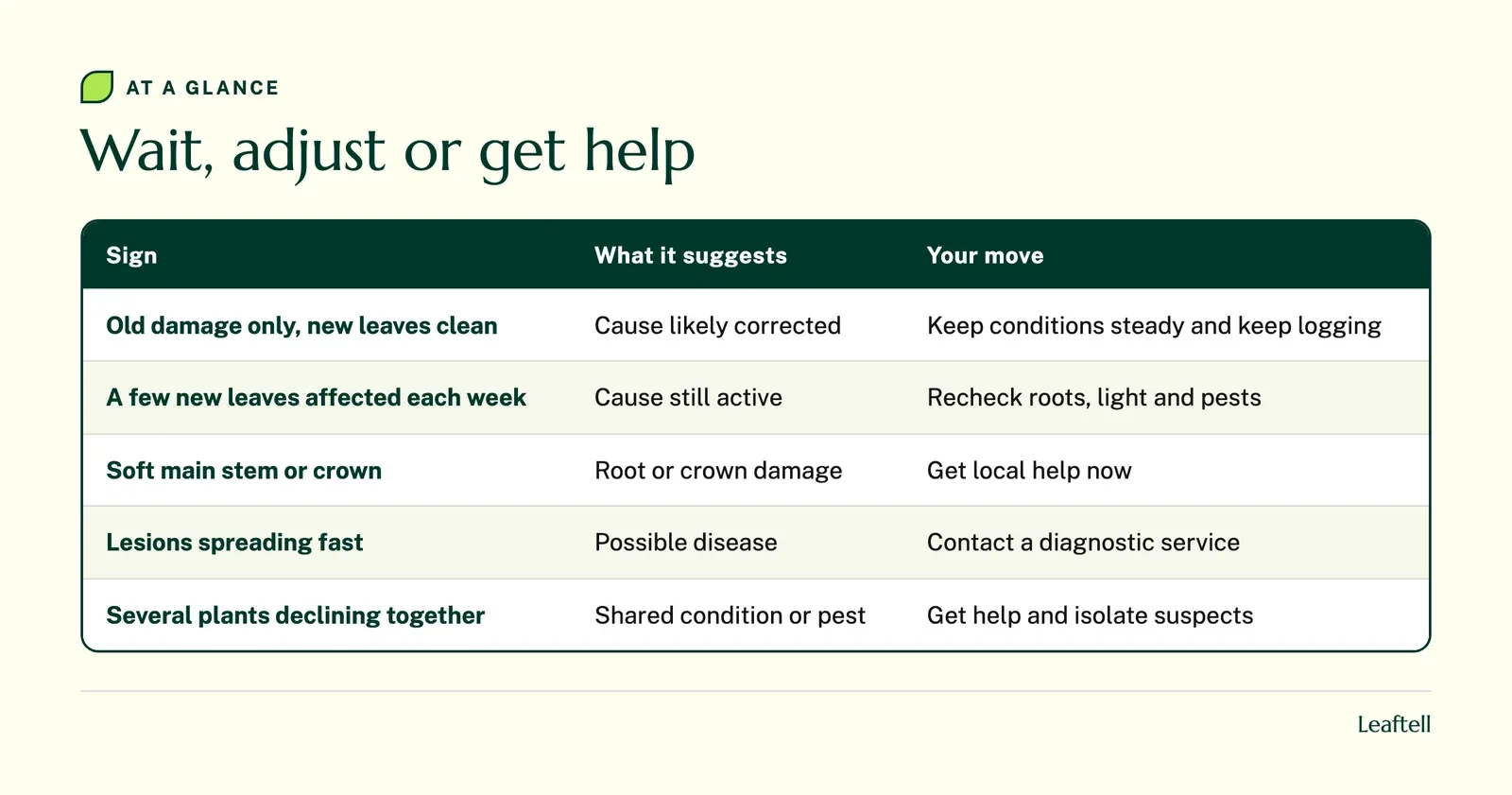
Act fast on rapid collapse or a soft central stem. A checklist is for organizing what you see. It is never a reason to wait while a plant clearly goes downhill.
Plant problems by symptom: color, texture and shape
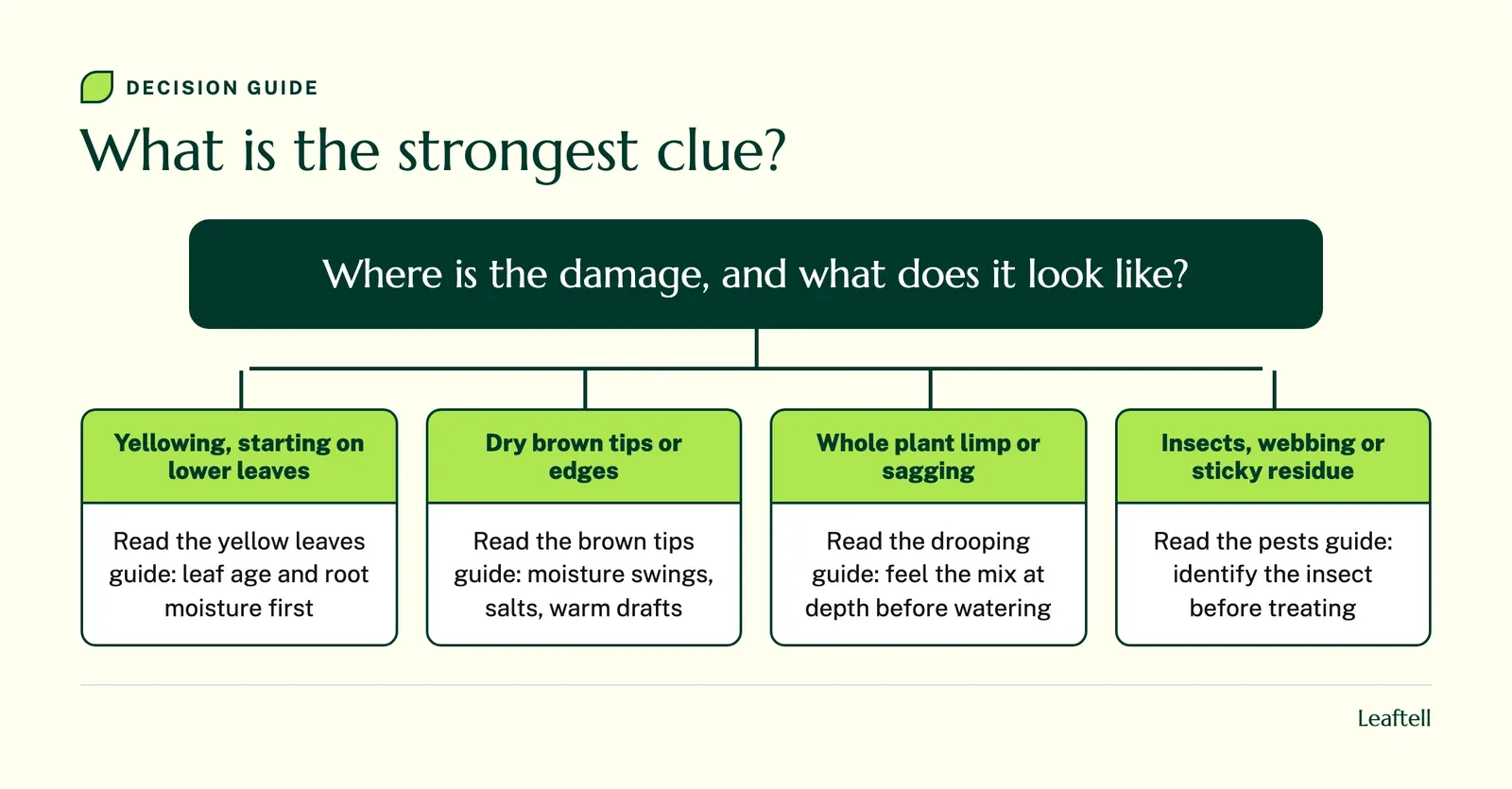
Leaf color only means something next to position and texture. A dry tip, a soft brown patch and a pale new leaf are three different observations, so each gets its own route.
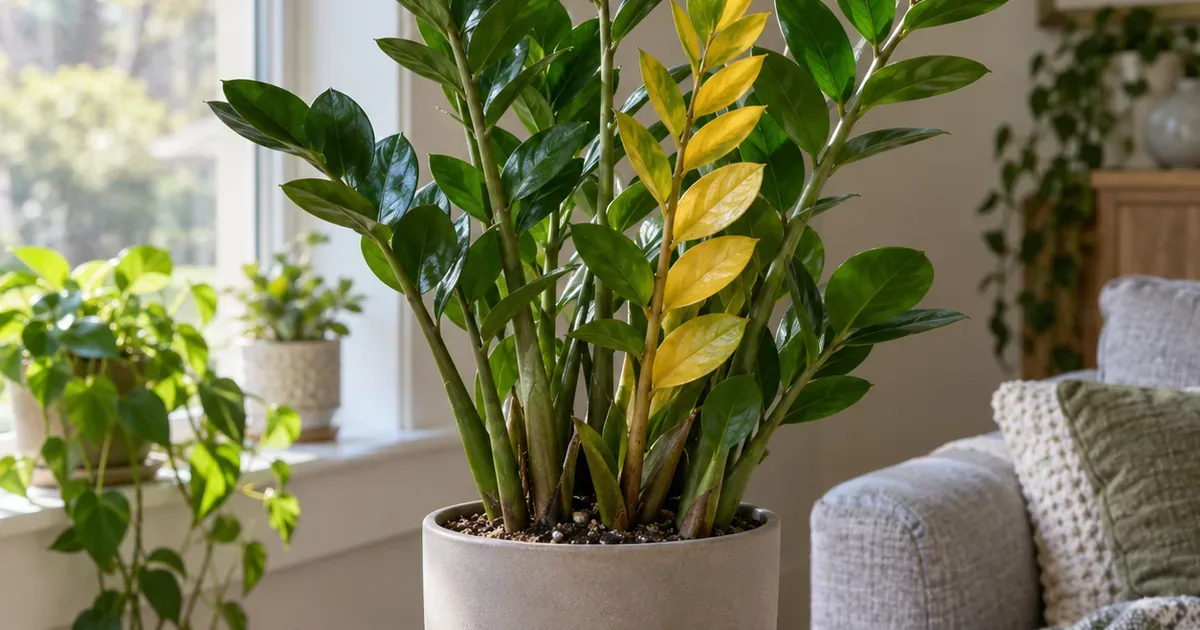
- Color loss, especially on lower leaves: start with yellow leaves on plants.
- Damage at the edges and tips: use the brown tips guide.
- Round lesions away from the edge, often with a defined center: compare leaf spot disease.
- The whole plant sagging: drooping plants begins with root moisture.
- Long bare gaps between leaves: leggy plants separates stretched new growth from old leaf loss.
Photograph both sides of an affected leaf. Surface deposits can pass for damage from a distance, and only the underside shows some insects. Keep a healthy leaf in the frame for comparison. That matters most on variegated plants, whose normal cream or white markings can look like a problem.
Do not strip every imperfect leaf before you document the pattern. "Lower leaves yellowing while the growing tip stays firm" gives anyone helping you far more to work with than "the whole plant is dying."
Plant problems below the soil: check the root zone
Most quick leaf inspections never look at the roots, and that is where a lot of plant problems live. Slide the inner pot out of its decorative cover. Is there water pooled at the bottom? Push a finger below the surface. Does the pot feel heavier than it should?
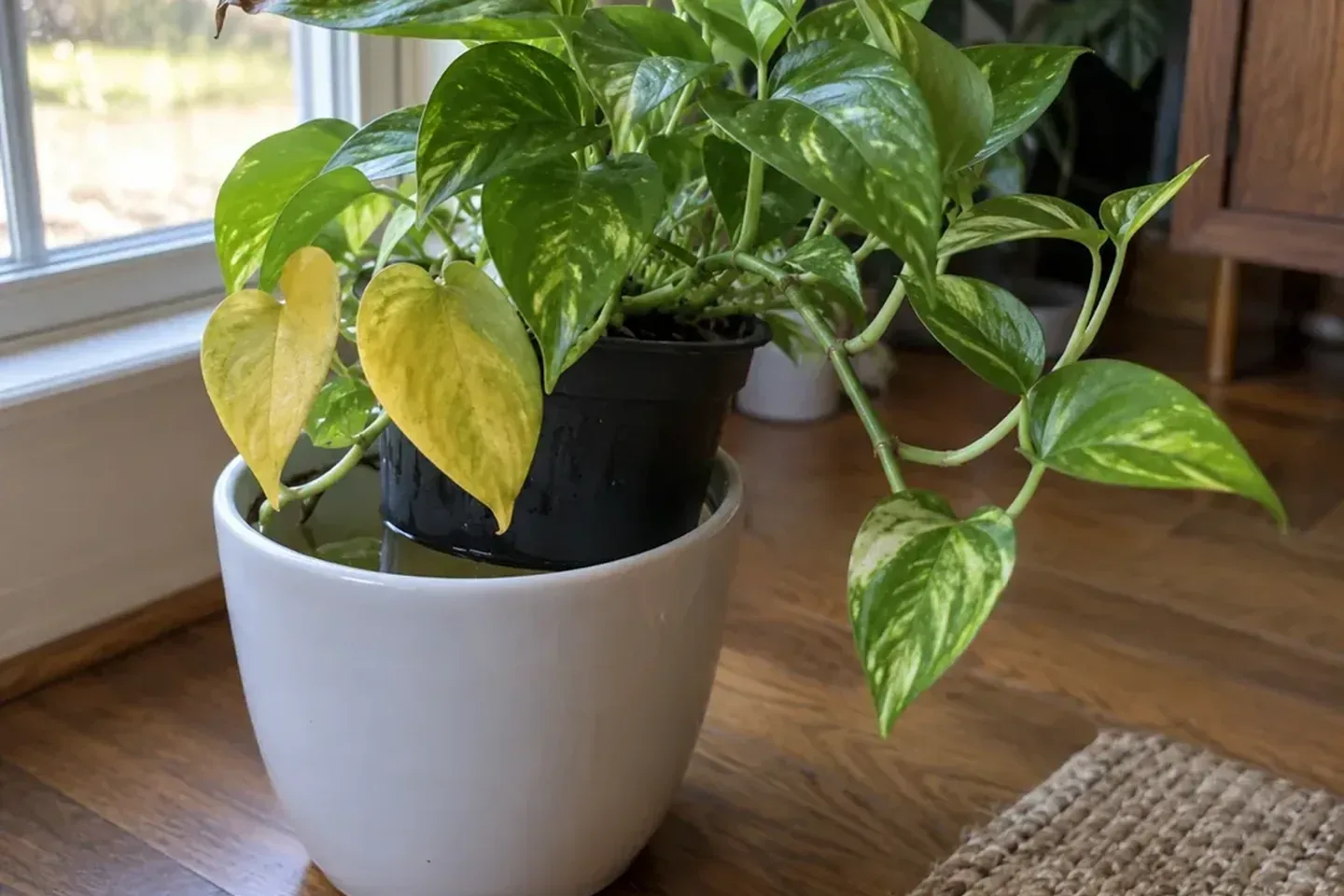
A dry-looking top can hide saturated mix lower down. The opposite happens too: a quick splash of water runs down the gap between a shrunken root ball and the pot wall, wets the saucer, and leaves the center dry. That is why a wet plant can look thirsty. The method in checking whether soil is wet or dry before watering combines touch and pot weight so you are not guessing from the surface.
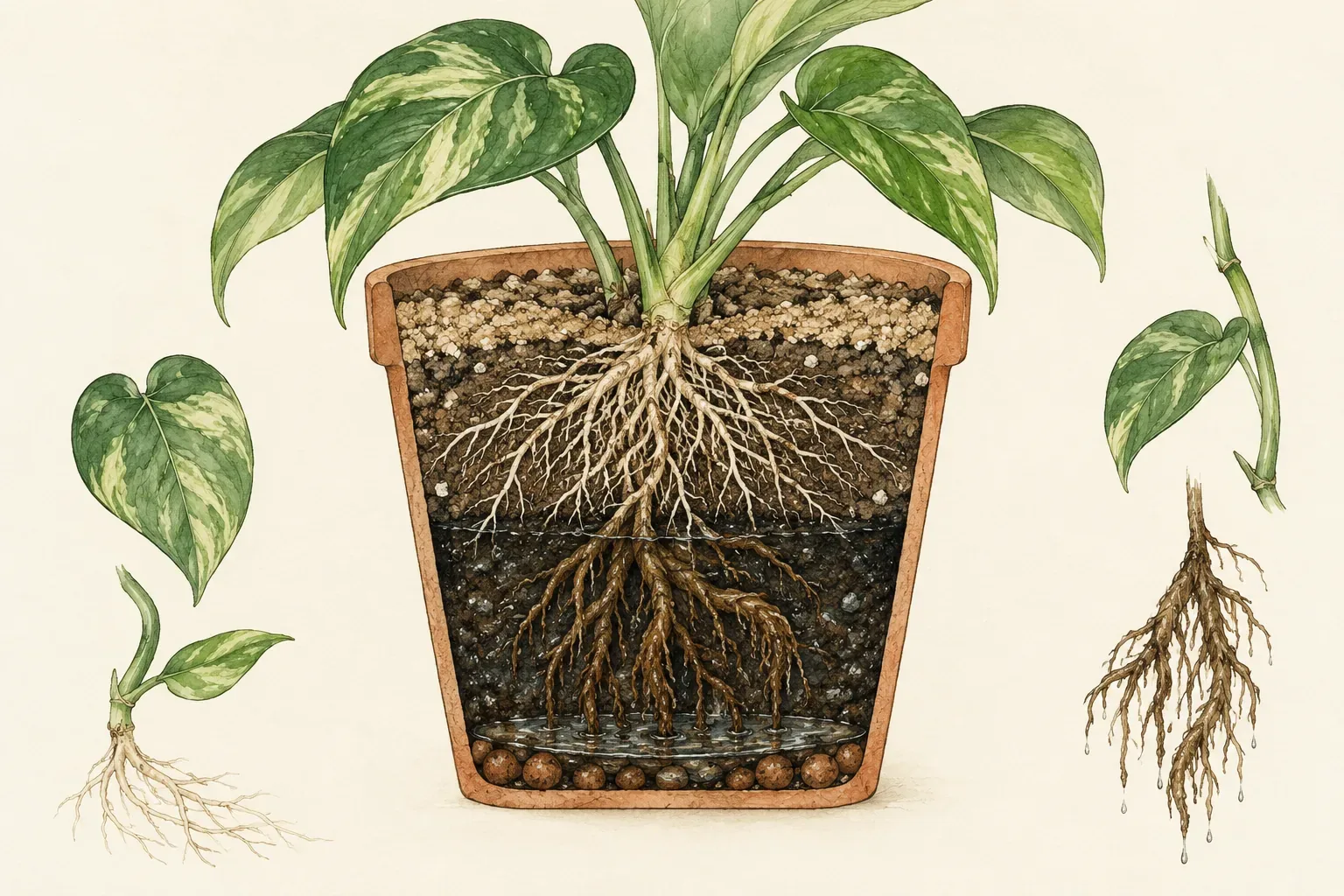
If roots or the stem base are soft, dark or falling apart, rather than just damp, you are past a watering tweak. Go to how to fix root rot. Avoid unpotting a stable plant over and over to check, but do not write off clear root damage as a missed watering either.
When you ask for advice, give the pot size, the mix, whether it drains, and where it sits. Those details explain why two plants with similar leaves react differently to the same routine. Fix the growing setup before you try to make up for it with fertilizer or more water.
Light is the other half of the setup. The University of Georgia Extension rates indoor spots by foot-candles over an 8 hour day: 25-75 is low light, 75-200 is medium, and above 200 without direct sun is high. A spot that looks bright to you can sit at the low end if the plant is a few feet back from the glass.

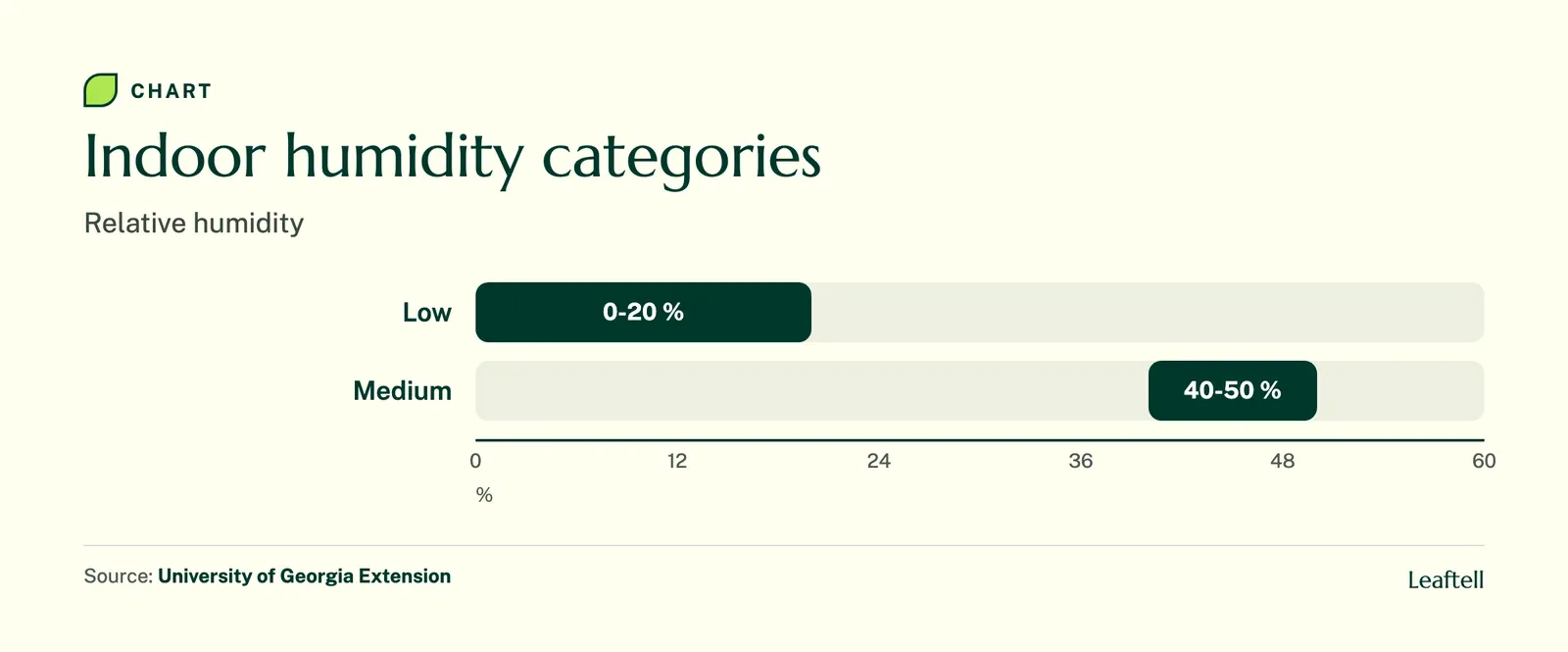
The same publication calls 40-50% relative humidity medium and anything below 20% low. A spot beside a radiator can run drier and warmer than the rest of the room, so check the air where the plant actually sits.
Home remedies for dying plants: choose one first change
The best home remedies for dying plants are boring: drain trapped water, water a truly dry root ball, move the plant to suitable light, or remove pests by hand. Pick the one your evidence supports and do only that.
How to save a dying plant in five checks
- Check the stem and the pace
Press the stem base and count how many leaves changed this week. A soft base or fast spread means you get help now.
- Look for trapped water
Lift the pot out of its cover and empty any standing water from the cover or saucer.
- Feel the mix at depth
Check 2 inches down and judge the pot's weight. Water only if the root ball is actually dry.
- Look for the organism
Use a magnifier on leaf undersides and joints. Note waxy insects, fixed bumps, moving bodies or fine webbing.
- Change one thing and write it down
Make the single change your evidence supports, note the date, and leave everything else alone.
If you find insects, separate the plant while keeping it in suitable light and temperature, then compare what you saw in the houseplant pests guide. A pale coating is not automatically an infestation. Mineral residue, natural markings and powdery mildew can look alike from across the room, so photograph it before you wipe it off.
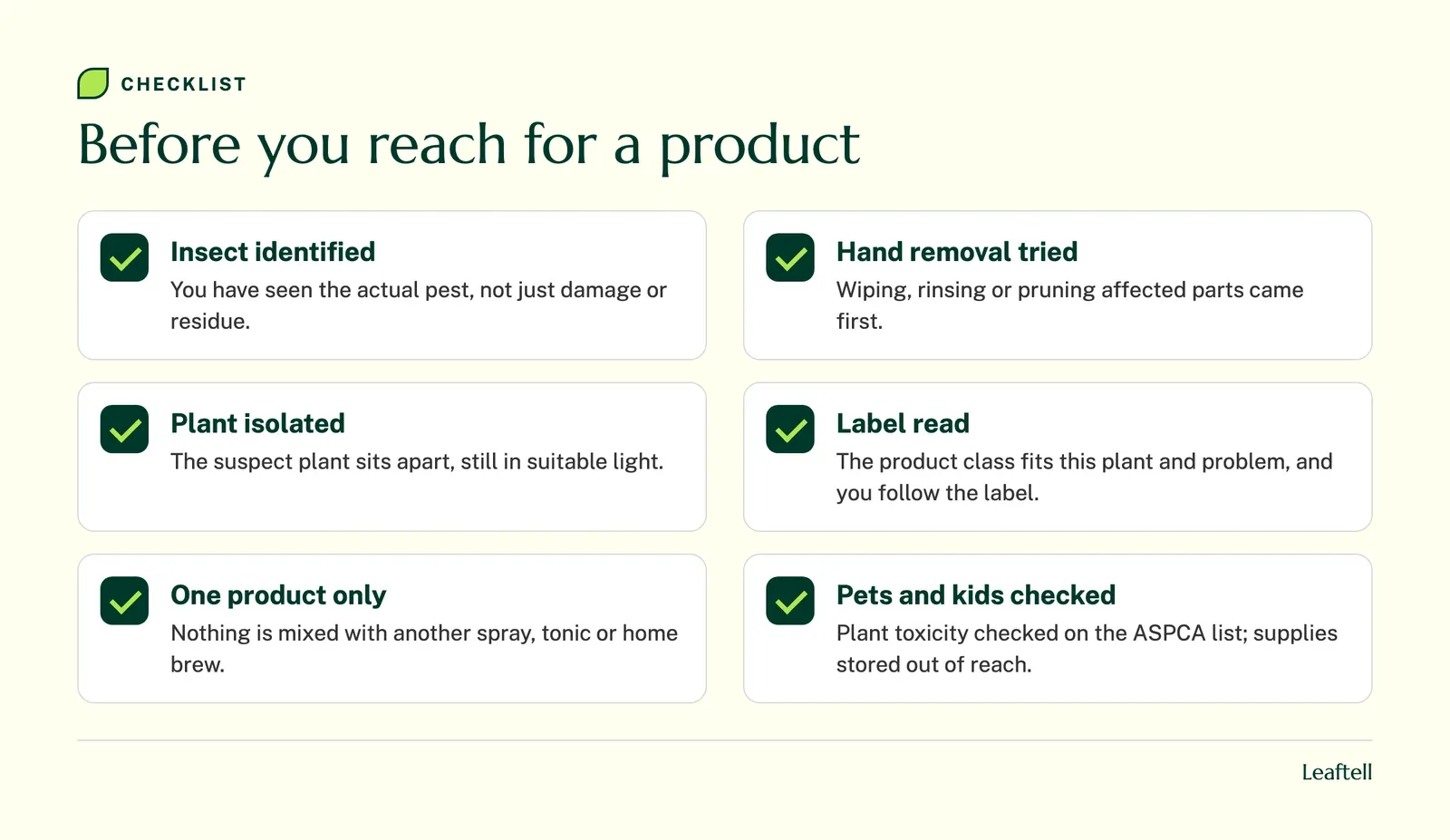
Start with careful removal, cleaning and better conditions. If a product is ever justified, it has to match the identified problem, use a product class suited to the plant, and follow the label. Never mix products. Keep supplies and treated plants away from pets and children, and check the plant itself on the ASPCA toxic plant list. Fertilizer is not a rescue treatment: it cannot drain a waterlogged pot or brighten a dark corner.
Let the species refine the check
Once the main symptom is clear, the plant's identity sharpens the next question. A moth orchid has a crown and a specialized growing medium. A pothos pot may hold several separately rooted vines. A big monstera container can stay wet below the surface for a long time. Same symptom, different first check.
Do not borrow a neighbor's watering schedule. If you are not sure what the plant is, say so when you ask for help, and photograph the overall shape, leaf arrangement and stems instead of picking the closest-looking species from memory. Never use a symptom guide to decide whether a plant or its fruit is safe to eat.
Plant problems that get worse with good intentions
Most rescues fail from too much help, not too little. These are the usual ones, and what each costs you.
- Watering a limp plant in a heavy pot. The roots sit wet even longer, and a drooping plant becomes a rotting one.
- Feeding a struggling plant. Fertilizer cannot fix waterlogged roots or a dark corner, and accumulated feed can add to the damage. You lose time on the wrong fix.
- Changing three things at once. If it recovers, you do not know why. If it declines, you do not know which change hurt.
- Stripping every damaged leaf first. You throw away the pattern that tells you where the problem started.
- Moving the plant every day. Each move resets light and temperature, so nothing you see can be read.
- Stacking sprays and home brews. Mixed products can injure foliage while the real cause carries on.
Plant problems: track progress and know when to get help
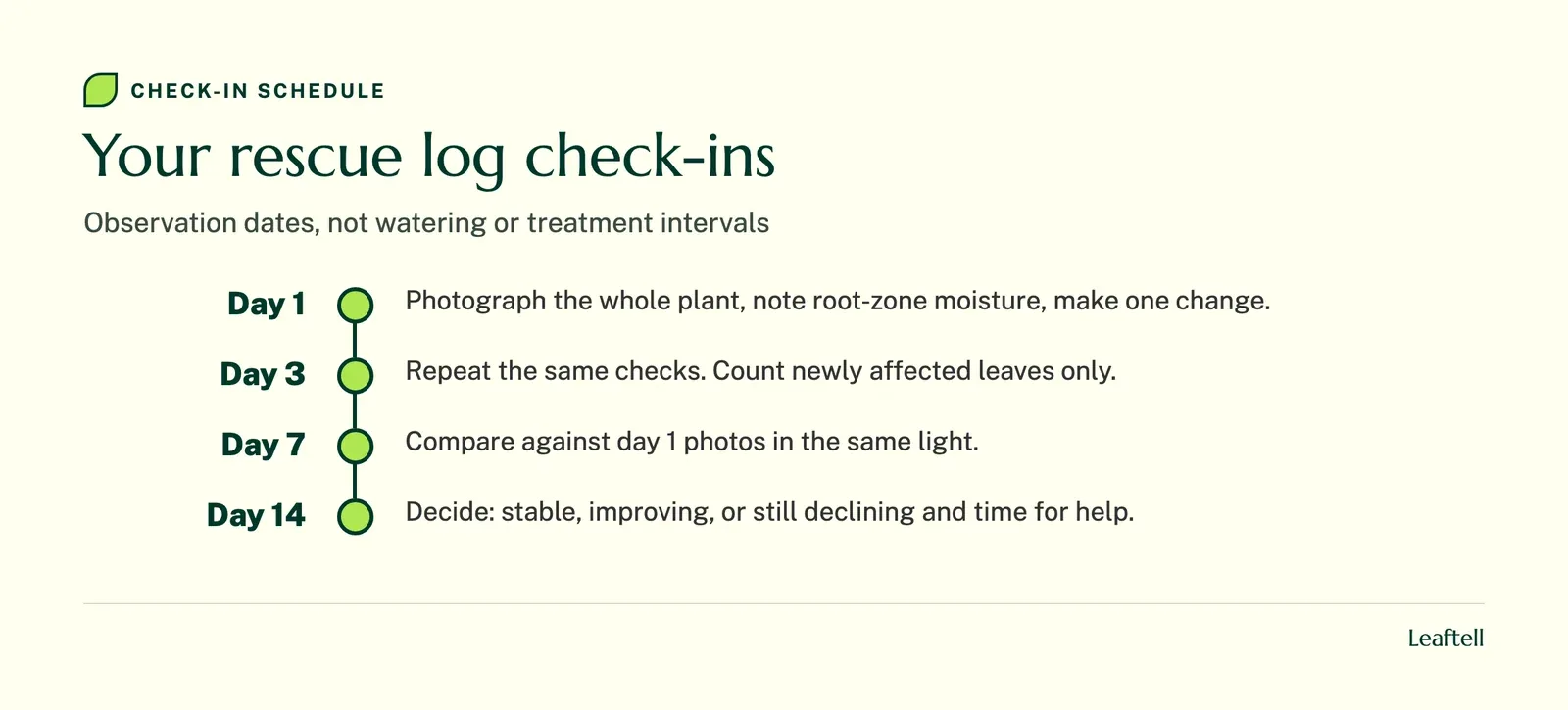
Keep a short log: the first symptom, the root-zone condition, and the one thing you changed. Look again on days 3, 7 and 14, sooner if decline is fast. Count newly affected leaves separately from the ones already damaged. Old scars and yellow leaves stay put even when the plant has stabilized.
Get prompt help from a local extension or plant diagnostic service for a soft main stem, lesions spreading fast, widespread collapse, or several plants showing unexplained symptoms at once. Call before you collect a sample so it arrives useful. Bring the whole story: whole-plant photos, both leaf surfaces, the pot, and every product used, including home remedies that did nothing.
If a pet or child chewed the plant, that is a job for a veterinarian or poison control, not a plant checklist. Keep the fallen leaves and any packaging for identification.
It is also fine to stop a rescue when very little healthy tissue is left and more handling risks the rest of your collection. Write down what the failed setup taught you about light, drainage and moisture.
The order that works
Look at the whole plant, check the pot for trapped water, feel the mix at depth, look for insects, then change one thing and log it. That sequence fixes more plants than any product, because most decline comes from roots that are too wet, too dry, or in the wrong light. Judge the result by new growth over two weeks, not by the leaves that were already damaged. If the stem goes soft or the damage races ahead, skip the wait and get local help.
Sources
Check your growing conditions with the plant watering calculator.
Frequently asked questions
Fast new damage, collapsing stems and failing growing tips are far more worrying than one old yellow leaf. Check the roots, the moisture at depth and how quickly things are changing before you decide.
Find the strongest evidence first: trapped water, a dry root ball, unsuitable light or visible pests. Correct that one condition and watch the healthy tissue. Recovery is not guaranteed, but a single targeted change gives it the best chance.
Fertilizer is not a rescue treatment. Check water, roots and light first, and feed only once the plant is growing again in suitable conditions, following the label.
Dry roots, wet damaged roots, heat and recent disturbance can all cause drooping. Feel below the soil surface and check the pot weight before you add water.
Keep the root zone appropriately moist, protect the plant from heat and cold, and skip extra feeding or another repot. Note what you see and look again in three days.
Truly dead tissue cannot be revived. Check whether any living roots or buds remain, and identify the plant, before you decide on pruning or replacement.
Only when the roots give you a reason, such as soft, decaying roots or a pot that cannot drain. Repeatedly unpotting a stable plant adds disturbance without fixing the cause.
Share article
About the author

Keep checking your plant
Plant care reference
Indoor plant care
Build a routine around your plant, light and potting mix.
Plant care reference
Why is my plant dying
Trace leaf and root symptoms before choosing a care change.
Plant care reference
Pothos plant care
Choose a growing spot and prune a trailing pothos for fuller growth.
Plant care reference
How to fix root rot
Inspect root firmness and drainage, then decide whether to repot.