Plant Light Requirements: 3 Window Checks
Filip Leszczyński Updated 18 October 2026 7 min read
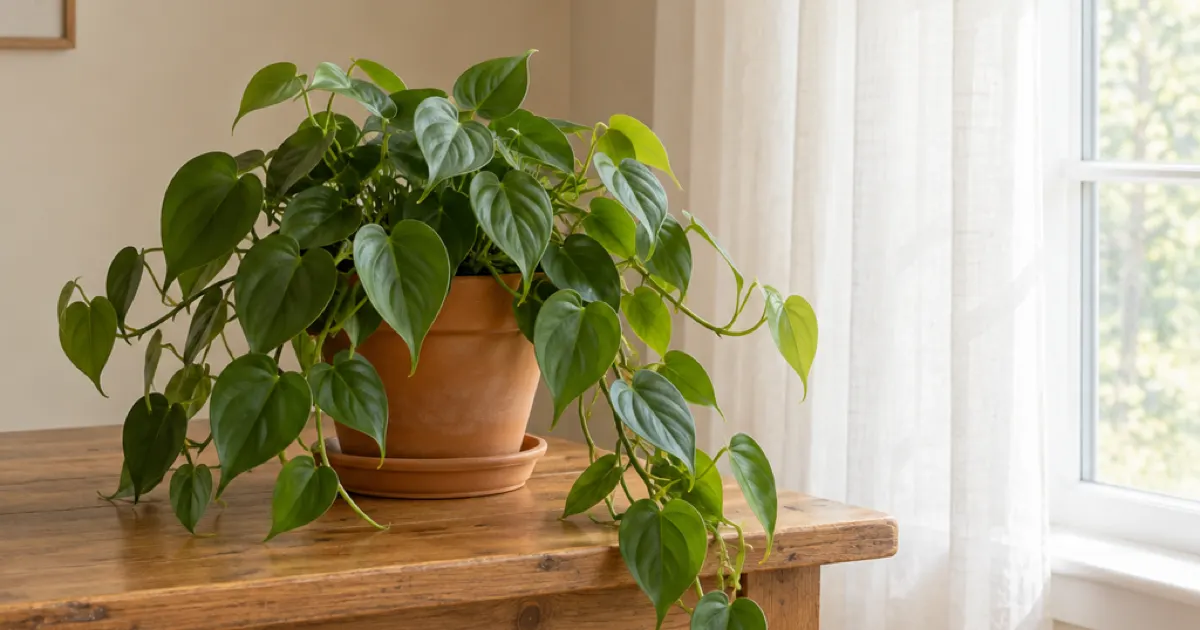
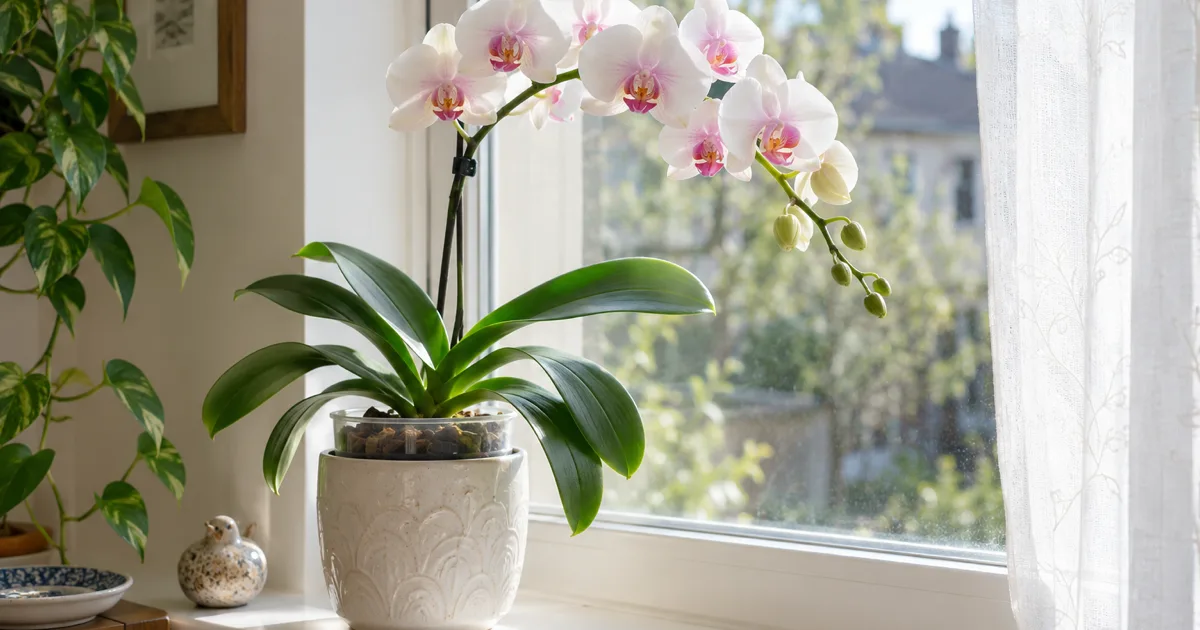
Illustrative AI-generated plant-care scene, not a documented diagnosis.
In this article
Plant light requirements describe the light reaching the leaves, not how bright a room looks to you. Start at the plant's actual position: check whether sun lands on its leaves, how long it stays there and what blocks the window. Then compare that setting with the species' needs. For a dim position that still receives daylight, compare these low light indoor plants by watering habits and pet access.
The surprising part is that moving a plant across one room can change both its light and its watering needs. Use the species care hub to choose a suitable starting position, then observe before changing several things at once.
Your eyes adapt to a dim room, so its apparent brightness cannot tell you how much light reaches a leaf over the day. Leaftell can help you compare your selected light and symptom observations after this window check.
What is indirect sunlight?
Indirect sunlight is daylight that reaches a leaf without a direct sunbeam falling on it. Direct sunlight lands on the leaf as a beam; indirect light arrives from visible sky or reflected surfaces. Bright indirect light still needs a good view of daylight; a shelf at the back of a room may feel bright to you while offering much less to the plant.
Look at the leaves in the morning, around midday and later in the afternoon. Note sun patches, curtains and outside shade. One cloudy-day photo cannot describe the whole week. In the Northern Hemisphere, south-facing windows often offer more direct sun and north-facing windows less, but buildings and trees can reverse your expectations at a particular spot.
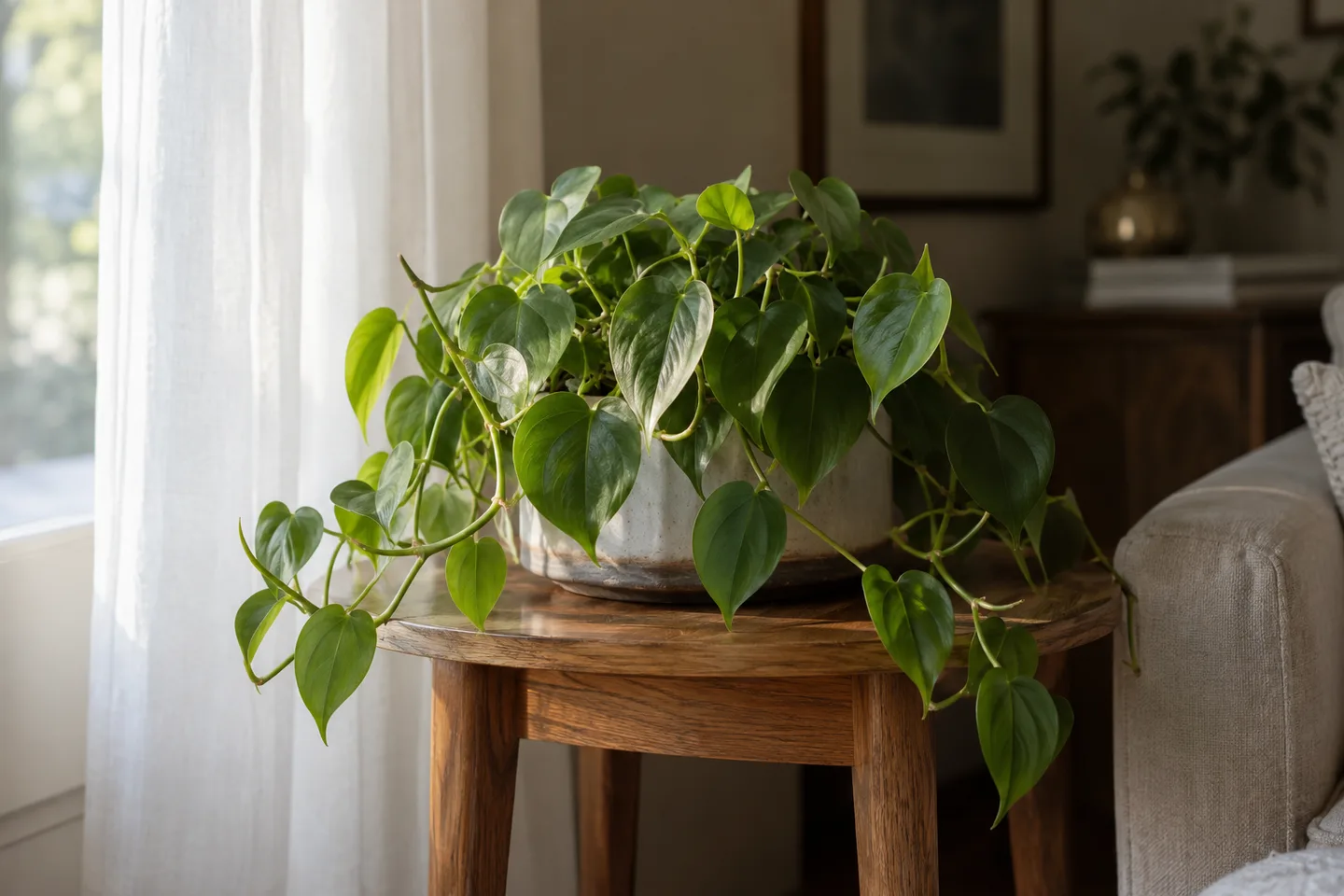
Your eyes adjust to a dim room, so brightness from memory cannot reliably explain a week of new growth. Leaftell helps you work through selected symptoms, soil and light as a next care check; it does not measure the light or analyze your photo.
How much light do plants need?
The amount depends on the species, and the light must reach the leaves for a useful part of the day. Use an intensity range as a starting point, then check window exposure and new growth; one room label or noon reading is not enough.
How to check plant light requirements at your window
- Record the position
Write down window direction, distance from the glass and any curtain or outside obstruction. Observe where the leaves sit, rather than where the pot sits.
- Watch through a day
Check morning, midday and afternoon. Record whether direct sun touches the foliage. Repeat on another day if the weather changes substantially.
- Compare with the species
Use the plant's care guidance to choose a position. Move gradually toward stronger light and watch for new damage instead of putting a shade-grown plant straight into intense sun.
Indoor plant light requirements chart
The University of Minnesota lighting guide groups indoor light by intensity. Lux values below are rounded conversions (1 foot-candle is about 10.76 lux), not measurements from the illustrated room.
| Light category | Foot-candles | Approximate lux | Window starting point |
|---|---|---|---|
| Low | 50-250 | 540-2,690 | North-facing, with open sky visible |
| Medium | 250-1,000 | 2,690-10,760 | East-facing, or west out of direct sun |
| High | More than 1,000 | More than 10,760 | Bright south or southwest exposure |
These are broad categories, not guaranteed readings by compass direction. There is no honest fixed lux range for a window at a given distance without measuring: trees, glass, latitude and curtains change it. Compare leaf-level readings at 1, 3 and 6 feet (0.3, 0.9 and 1.8 m) from your window at 9 a.m., noon and 3 p.m. Keep the sensor orientation and curtain position consistent. This nine-reading grid is a suggested record, not a research dataset. A moth orchid shows the idea well: in our guide to orchid care, leaf color tells you whether an east or west window is giving it enough light.
Worked example, hypothetical: a heartleaf philodendron in a 6-inch terracotta pot sits 2 feet from an east window. Suppose the same meter reads 1,600 lux there and 400 lux at the back of the table. Dividing by 10.76 gives about 149 and 37 foot-candles: the second position falls below the chart's low-light band. That supports checking a closer position gradually; it does not prove the plant needs exactly 1,600 lux all day. Repeat across the day before making the move permanent.
Indoor plant light requirements chart: check new growth too
Compare new leaves and stem sections with earlier growth. Smaller leaves, long spaces between them or a strong lean can prompt a light check, but none proves that light is the only cause. A trailing vine naturally has long stems. For the broader symptom, use the leggy growth guide.
Old stretched stems will not shorten after a move. Record the newest leaf today and review your notes in seven days, then keep observing as new growth appears. Some plants grow slowly or pause seasonally, so seven days is a check-in date rather than a deadline for recovery.
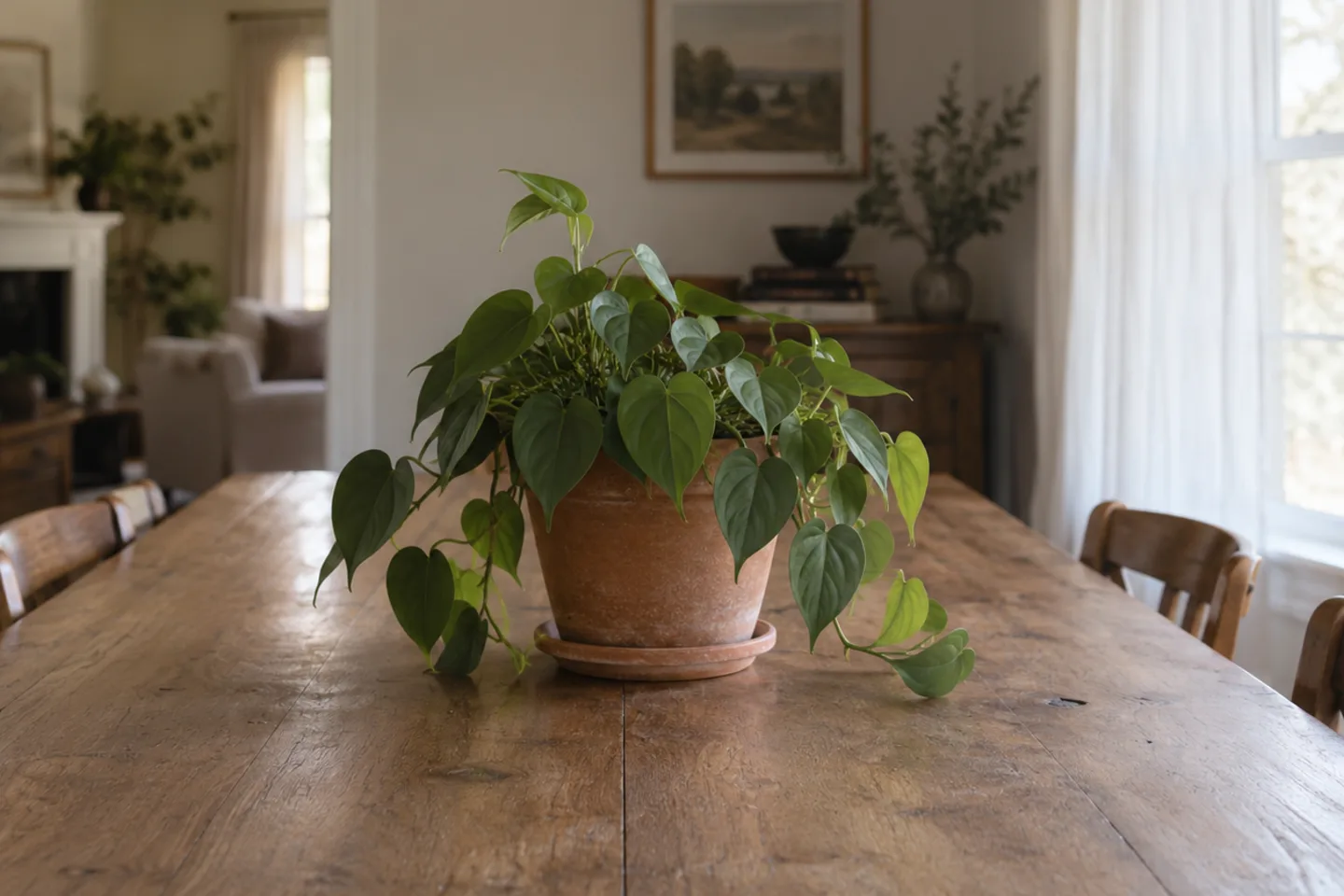
A light meter or phone app can help compare two positions when used consistently. Sensor quality and orientation affect the result. Do not treat one reading as proof that a plant is healthy, and do not assume this illustration shows a feature of Leaftell.
Mistakes when changing a plant's window light
Avoid jumping from a dark corner to strong direct sun, changing positions every day, or adding fertilizer to compensate for low light. Watch for pale or crisp patches on the newly exposed side after a move. Keep leaves off hot or cold glass. Sun-loving succulents are the classic case: our succulent care guide shows how to spot stretching and move them into stronger light in stages. A pale, floppy aloe in a dim room needs the same gradual move, as our aloe vera light and watering guide explains.
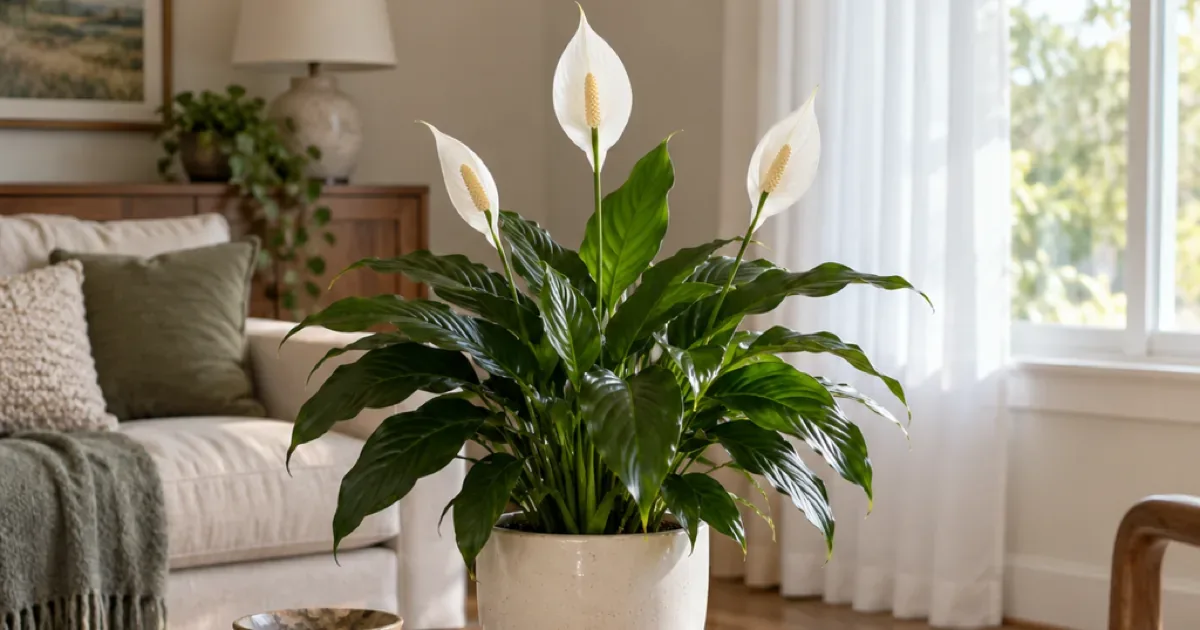
Recheck moisture after changing the light. A darker position can leave the mix wet for longer, so an unchanged watering schedule may no longer fit. Use the soil checks before watering instead of assuming that brighter light means a fixed extra drink. If yellowing accompanies the light concern, compare monstera yellowing patterns or orchid leaf yellowing checks. A peace lily that droops after a move also needs a moisture check. If you are still choosing a spot for one, the peace lily care guide explains why filtered window light gets it flowering when a dim corner will not.
Match plant light requirements to one stable position
Choose a suitable window position, record what reaches the leaves and give yourself a clear point of comparison. Change light gradually, check moisture separately and judge the next growth. A useful record is more informative than moving the pot after every imperfect leaf.
References
The University of Minnesota source linked beside the chart supports the light categories. The University of Missouri indoor lighting guide explains why intensity, duration and lamp distance must be considered together. Example readings in this article are hypothetical, not field measurements.
Check your growing conditions with the plant watering calculator.
Frequently asked questions
Plants need usable light, which can come from daylight or suitable artificial lighting. They do not all need direct sun; the intensity and duration reaching their leaves must suit the species.
For a tropical houseplant outdoors, a forecast of 40°F is a reason to move it to an appropriate sheltered indoor position. A cover does not guarantee a safe temperature; hardy outdoor species have different limits.
Indirect sunlight is daylight reaching a leaf without a direct beam of sun landing on it. A clear view of bright sky can provide it, but the back of the same room may receive much less light.
Sometimes, but ordinary room lights may be too dim at leaf level or switched on for too little time. Compare plant requirements with measured conditions and use a suitable supplemental light if daylight falls short.
A regular white LED can contribute usable light, but a distant ceiling bulb may provide very little at the plant. Output, distance and daily duration matter; choose a fixture with placement guidance rather than relying on the LED label.
Touch is not a substitute for light or appropriate care. Handle leaves gently only when you need to inspect or clean them, and assess new growth instead of using touch as a plant-health test.
Share article
About the author

Keep checking your plant
Plant care reference
Indoor plant care
Build a routine around your plant, light and potting mix.
Plant care reference
Leggy plants
Improve light gradually and decide when pruning will help.
Plant care reference
Monstera plant care
Balance watering, light and support for a climbing monstera.
Plant care reference
Pothos plant care
Choose a growing spot and prune a trailing pothos for fuller growth.