
What's wrong with my plant?
Check symptoms. Find your next step.
Check my plant29 symptom guides. Photos optional.
How the plant doctor works
-

Add an optional photo
The check uses your answers, not photo analysis.
-
Describe the conditions
Tell us about watering, light and when it started.
-
Review care pointers
Get a preview of care checks based on your answers, with uncertainty explained.


Your plant specialist, in your pocket
Every plant tracked, problems checked from a photo, and care that arrives right on time.
-
Every plant in one place
See how each plant is doing and what it needs next.
-
Know when to prune, feed and repot
A care calendar for each plant, timed to its season.
-
Snap a photo, see what is wrong
Leaftell names the likely problem, how sure it is and what to change.
-
Check the soil at the right time
Reminders adapt to each plant, its pot and the season.


Find a guide for your plant
Start with the main symptom, or choose a species guide for its watering and light needs.
Plant problems by symptom

Yellow leaves on plants
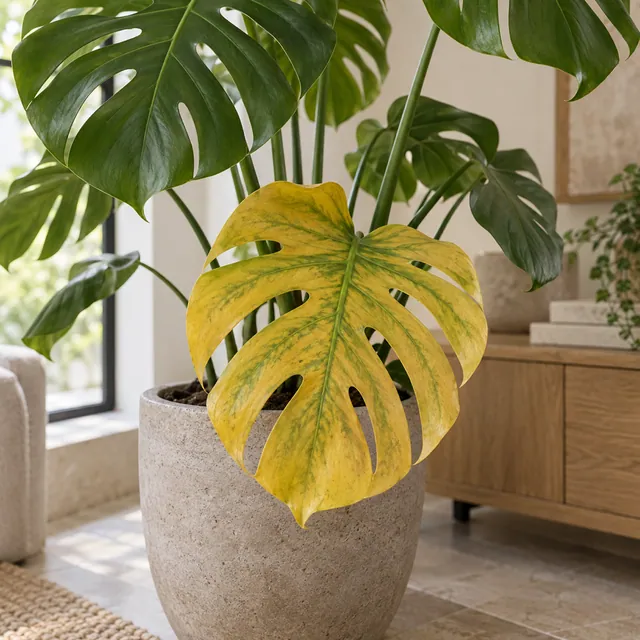
Distinguish an aging leaf from a spreading moisture or light problem.

Brown tips on leaves
Check uneven watering, mineral buildup and hot air around leaf tips.

Drooping plant
Tell a dry root ball from a wet pot before adding water.

Leaf spot disease
Record where spots spread and when expert identification is useful.

Houseplant pests
Use insects, webbing and sticky deposits to narrow down the pest.

How to fix root rot
Inspect root firmness and drainage, then decide whether to repot.
Indoor plant care by species

Monstera plant care
Balance watering, light and support for a climbing monstera.

Pothos plant care
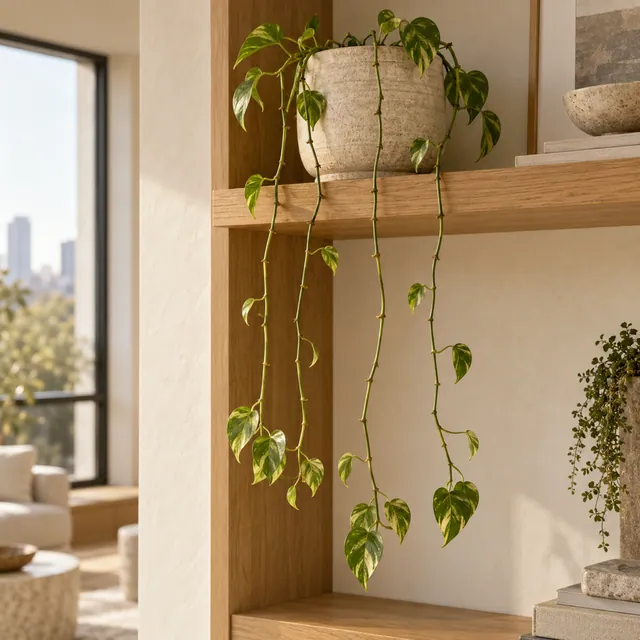
Choose a growing spot and prune a trailing pothos for fuller growth.

Snake plant care
Let the pot dry and recognize soft bases before roots deteriorate.

Christmas cactus plant care
Adjust watering, light and seasonal care for a holiday cactus.
Safe fixes first
Before you change your plant’s care
A drooping leaf can mean dry roots or roots that cannot take up water. Check the pot before choosing a treatment; a photo alone cannot tell the difference.
Four checks, one at a time
- 1
Soil moisture
Feel below the surface and lift the pot. A dry crust can hide wet mix.
Check wet and dry soil - 2
Light at leaf level
Check daylight where the leaves sit, including shade from curtains.
Read your plant's light - 3
Pests on leaf undersides
Use a hand lens to inspect undersides, joints and new shoots.
Look for pests - 4
Roots and drainage
Check the cover pot for trapped water and make sure drainage holes are open.
Inspect root-rot clues
Check below the surface
Feel the mix below the surface and lift the inner pot out of its cover. A dry crust can hide wet soil, while water running straight through can leave a shrunken root ball dry. The soil moisture guide explains how to combine touch, pot weight and drainage.
Only disturb roots when ongoing decline, a soft stem or persistently wet soil gives you a reason. Read the root inspection guide before unpotting. Check leaf undersides for pests, and note recent changes in light or temperature before adding fertilizer.
Keep a dated photo and one note about what changed. Judge progress by new damage or growth, not by whether an old yellow leaf becomes green. Seek local extension advice for rapid collapse or spreading damage. Our editorial policy explains the sources and limits behind these checks.
By Filip Leszczyński · Editorial policy and sources
Build a better plant-care routine
Start with houseplant care by species or the complete plant symptom guide . A bright windowsill can dry a pot faster than a shaded shelf. Match the advice to the plant and its actual spot, then keep a short record of what changes.
For a climbing plant with broad leaves, use the monstera watering and light guide . For a trailing vine, compare your setup with pothos growing conditions . A succulent needs a different rhythm: the snake plant drainage checks explain why a shared watering day is a poor shortcut.
Latest plant-care guides
Does Neem Oil Kill Mealybugs? Yes, but Only the Young Ones
Neem oil kills the mealybugs it soaks, mostly young crawlers. Adults and egg masses shed it. Here is where neem oil fits, how to use it so it works, and when to use soap, alcohol or a repot instead.
How to Care for a String of Pearls Plant: Read the Pearls
Bright, indirect light, a shallow pot of gritty mix, and water when the pearls start to soften. Here is how to read the pearls, where to put the plant, how to prune it and what goes wrong.
What Is a ZZ Plant? The Houseplant That Stores Its Own Water
A ZZ plant is Zamioculcas zamiifolia, a slow-growing aroid from tropical Africa that stores water in underground rhizomes. Here is how to recognize one, the varieties you will see in stores, and the few care rules that keep it alive.
How to diagnose plant problems
How can I identify what's wrong with my plant?
Start with soil moisture, drainage, light and the pattern of damage. Record which leaves changed and when. Leaftell uses your answers to suggest care checks; it cannot confirm a disease. Compare the whole plant with its usual condition, and seek local horticultural help if damage spreads quickly. Include your recent care history.
Is there a free plant problem identifier?
You can use Leaftell’s answer-based plant check and read its symptom guides without paying. They help organize observations about soil, light and pests. They do not confirm a disease or identify a species from an image. University extension symptom guides are another useful starting point for comparing growing conditions and possible causes.
Can I identify plant disease using a picture?
A picture can document visible damage, but similar symptoms can have different causes. Leaftell does not analyze photos. Photos are optional, stay on your device and serve as your own reference. Its care pointers use your answers. A horticultural adviser may need your growing history, a sample or testing to confirm disease.
What are the signs of overwatering a plant?
Yellowing or drooping leaves together with persistently wet soil can warrant a drainage check. These signs alone do not prove overwatering or root rot. Feel below the surface, lift the pot and look for retained water in its saucer or cover pot before deciding whether to water again. Check each pot separately.
How do you know your plant is dying?
Look for continuing decline across the plant rather than one old leaf. Rapid leaf loss, collapsing stems or soft roots deserve closer assessment. Record changes in photographs and check soil and drainage. Some stressed plants recover when conditions improve, but no single leaf symptom can predict survival. Seek local advice for rapid collapse.
How to identify a sick plant?
Compare new growth, older leaves and stems. Note where damage began, whether it is spreading and what changed in the plant’s care. Check leaf undersides for pests and inspect the pot for trapped water. A sick-looking plant may have an environmental problem, a pest or a disease; appearance alone cannot separate them.
Is my plant getting enough light?
Check the light reaching its leaves, not just how bright the room looks. Long gaps between new leaves or growth leaning toward a window can prompt a light review. Match any adjustment to the species and make changes gradually. Avoid moving a shaded plant directly into strong sun as a quick test.
What are the visible signs and symptoms of plant disease?
Spots, wilting, discoloration and damaged stems can be reasons to investigate, but pests and growing conditions can produce similar symptoms. Document the pattern, check both leaf surfaces and note the moisture around roots. Do not select a treatment from a visual match alone; confirmed disease may require expert examination or testing.
What disease has my plant got?
Leaftell cannot confirm which disease your plant has. Start with observations about leaf changes, soil moisture, drainage and recent care, then compare the symptom guides. For spreading lesions or rapid collapse, contact a local extension service or horticultural adviser with dated photographs and a care history. They can advise whether testing is needed.
What do diseased plants look like?
There is no single appearance shared by all diseased plants. Leaves may show spots, yellowing or wilting, but those changes also occur with watering, light or pest problems. Compare affected and healthy growth on the same plant. Keep a dated record and avoid assuming that every imperfect leaf needs a spray.
What is plant shock?
Plant shock describes stress after changes such as moving, repotting or a sudden shift in light or temperature. Leaves may droop or fall, but those symptoms have other causes too. Check moisture and drainage, keep suitable conditions stable and record the timing. Persistent or worsening decline deserves a closer assessment.
Can I diagnose my plant for free?
You can collect useful observations and use Leaftell’s free care-check preview without an account. The preview suggests what to inspect from your selected answers; it is not a confirmed diagnosis. Public university extension guides also explain common symptoms. Specialist examination or laboratory testing may be needed for a reliable disease diagnosis.
Is there a free way to detect plant diseases online?
Online symptom guides can help compare possible causes without a fee, but they cannot guarantee detection of a disease. Leaftell’s free check uses your answers about the plant and its conditions. It does not inspect images. For a suspected spreading disease, ask a local horticultural service what evidence or testing it needs.
How can I find out what's wrong with a plant?
Write down the species if known, when the change began, recent watering and the light at leaf level. Check drainage and leaf undersides, then choose the closest symptom guide. Keep photographs for comparison rather than making several care changes at once. Leaftell organizes these observations into your next care checks.
Which kind of plant help do you need?
| Your question | Leaftell | A plant ID app | Asking a forum |
|---|---|---|---|
| What species is this? | You choose a plant or say you do not know. Leaftell does not identify species from photos. | Species identification is the main purpose. Check a suggested name against reliable references. | Members may suggest a name if your photos show enough detail. A reply is not guaranteed. |
| What might be wrong? | Your answers about symptoms, soil, watering, light and drainage shape the care pointers. | Features vary. A species match alone does not explain damage or the conditions in your home. | People can ask follow-up questions. Include your care history so they have more than a leaf photo. |
| What happens to my photo? | The optional photo stays on your device. The check does not upload or analyze it. | Read the app's privacy details before uploading a photo; handling varies by service. | A posted image is shared with the forum audience according to that site's settings. |
| What should I do next? | Review practical checks and source-linked guides. Keep your own dated notes to compare changes. | Care guidance depends on the app. Confirm it fits your species, pot and growing conditions. | Compare replies with horticultural sources. Experience and advice can differ between contributors. |
| Can it confirm a disease? | No. Similar symptoms can have different causes; the answer-based check has limits. | An image match is not laboratory confirmation. Check the limits of the specific service. | Comments cannot replace inspection or testing when a cause remains unclear. |
You can use these approaches together. Find a plausible species name, gather observations, then bring the details to a local university extension service if damage keeps spreading. Keep pets and children away from damaged plant material and any treatment. Start with isolation, removal or rinsing where appropriate; follow treatment labels and never mix products.
Explore Leaftell Plus plans for the care-check plan details. The symptom guides remain available to read without an account.
Your leaves are telling you something.
Check my plant