Sticky Leaves on Plants: Is It Honeydew?
Filip Leszczyński Updated 16 October 2026 7 min read
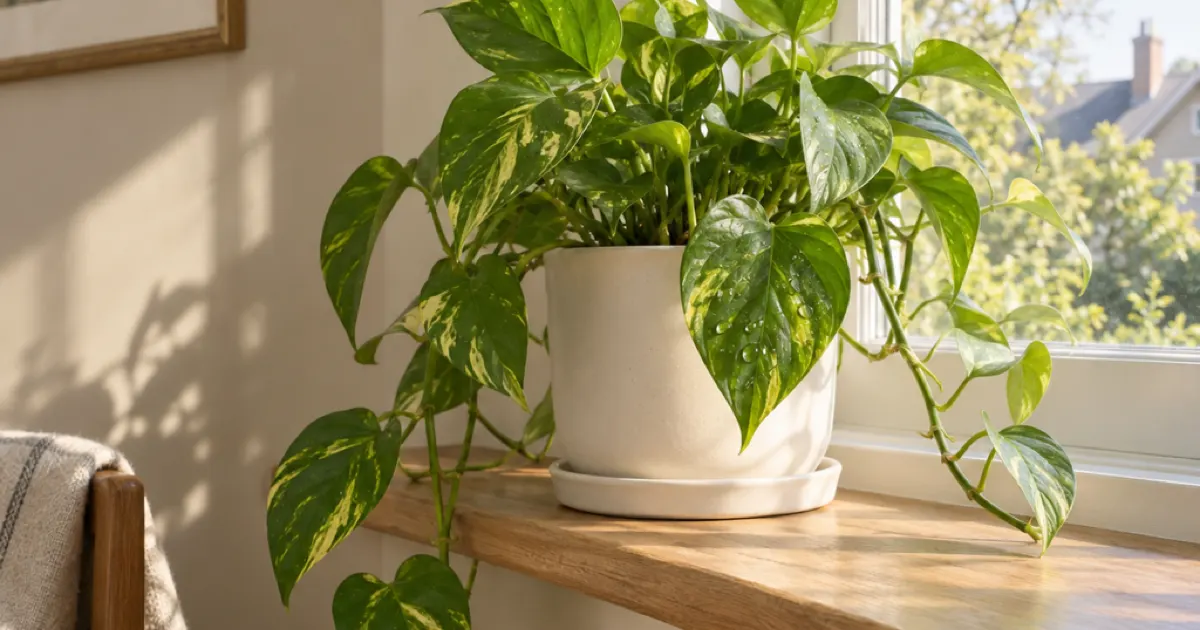
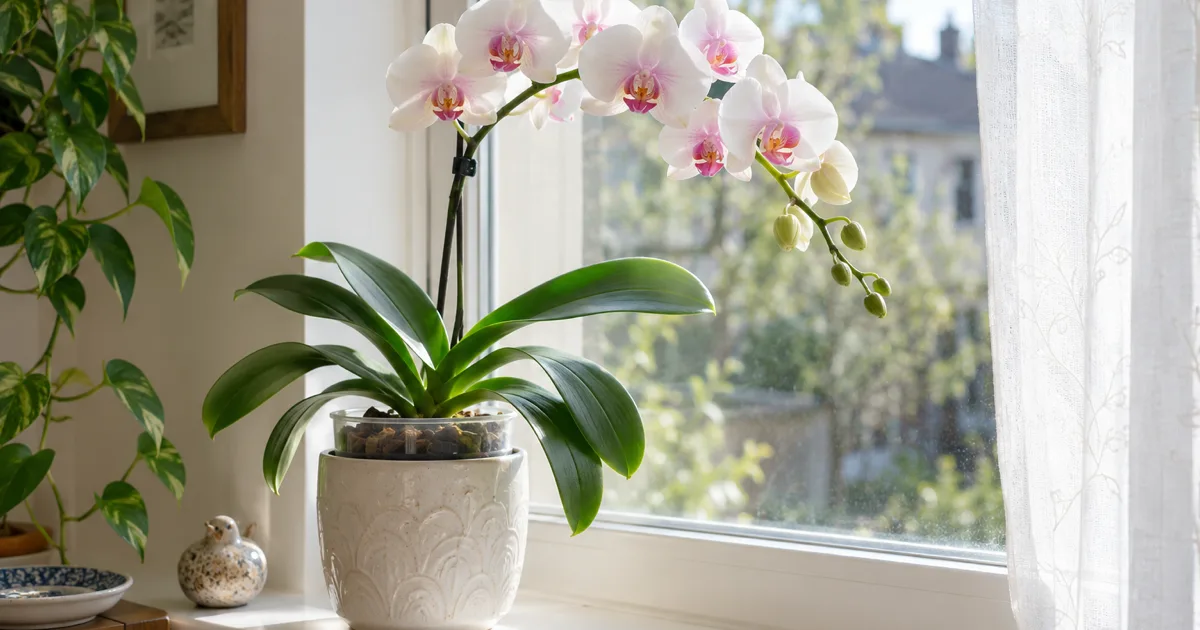
Illustrative AI-generated plant-care scene, not a documented diagnosis.
In this article
Sticky leaves on plants often point to honeydew, the sugary residue left by some sap-feeding insects. But stickiness alone does not identify a pest. Plant secretions or a spilled spray can also leave residue. Separate a suspect plant, look above and below the sticky area, then clean a small patch so you can tell whether fresh residue returns.
The useful clue may be on the leaf above the one you noticed: honeydew can fall onto lower foliage, furniture or the pot. This article focuses on interpreting that residue. Use the houseplant pest guide for the wider inspection once you find an insect.
A photograph cannot distinguish old spray residue from fresh honeydew by itself. Start with the cleaning history and inspection clues; Leaftell can help you work through those selected observations.
Honeydew on plants: where does the residue start?
Honeydew on plants usually collects below feeding insects, so inspect the growth above the sticky surface first. A clean upper leaf with sticky lower foliage is a reason to inspect nearby stems too.
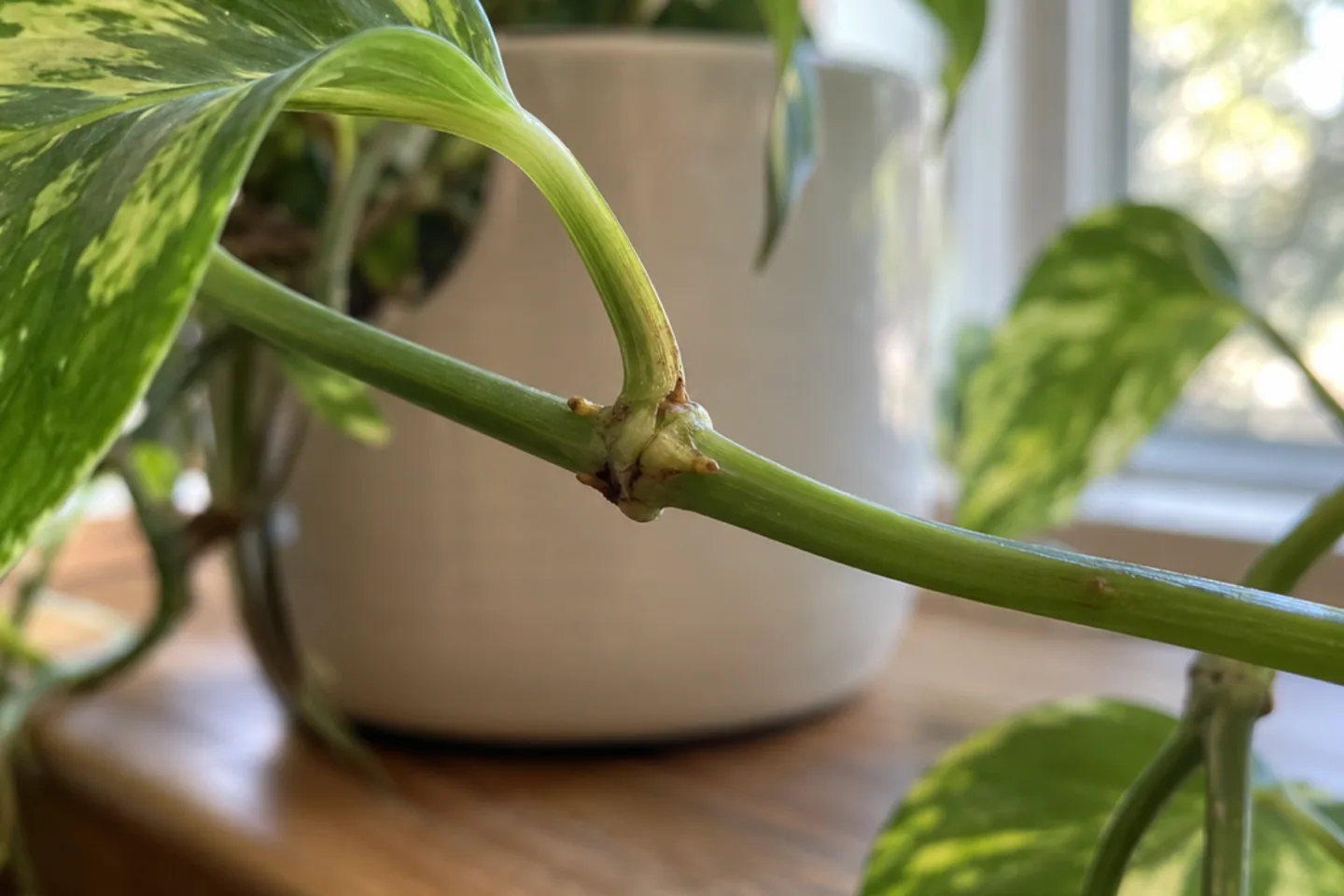
Look at both sides of several leaves, the stems and the new growth. Soft scale, mealybugs and aphids are among the sap feeders that can produce honeydew. Look for raised bumps, cottony clusters or groups of small insects rather than naming a pest from shine alone. On an orchid, check the leaf joints and leaf undersides first, and keep its orchid watering and light routine steady while you investigate. A magnifier and a sharp photo with a size reference can help.
Check the leaf immediately above the sticky patch. If the lower surface is clean but the upper leaf carries insects, the residue may have dripped down. Also ask whether you recently sprayed, polished or moved the plant. A single spill calls for a different response from fresh deposits appearing every day.
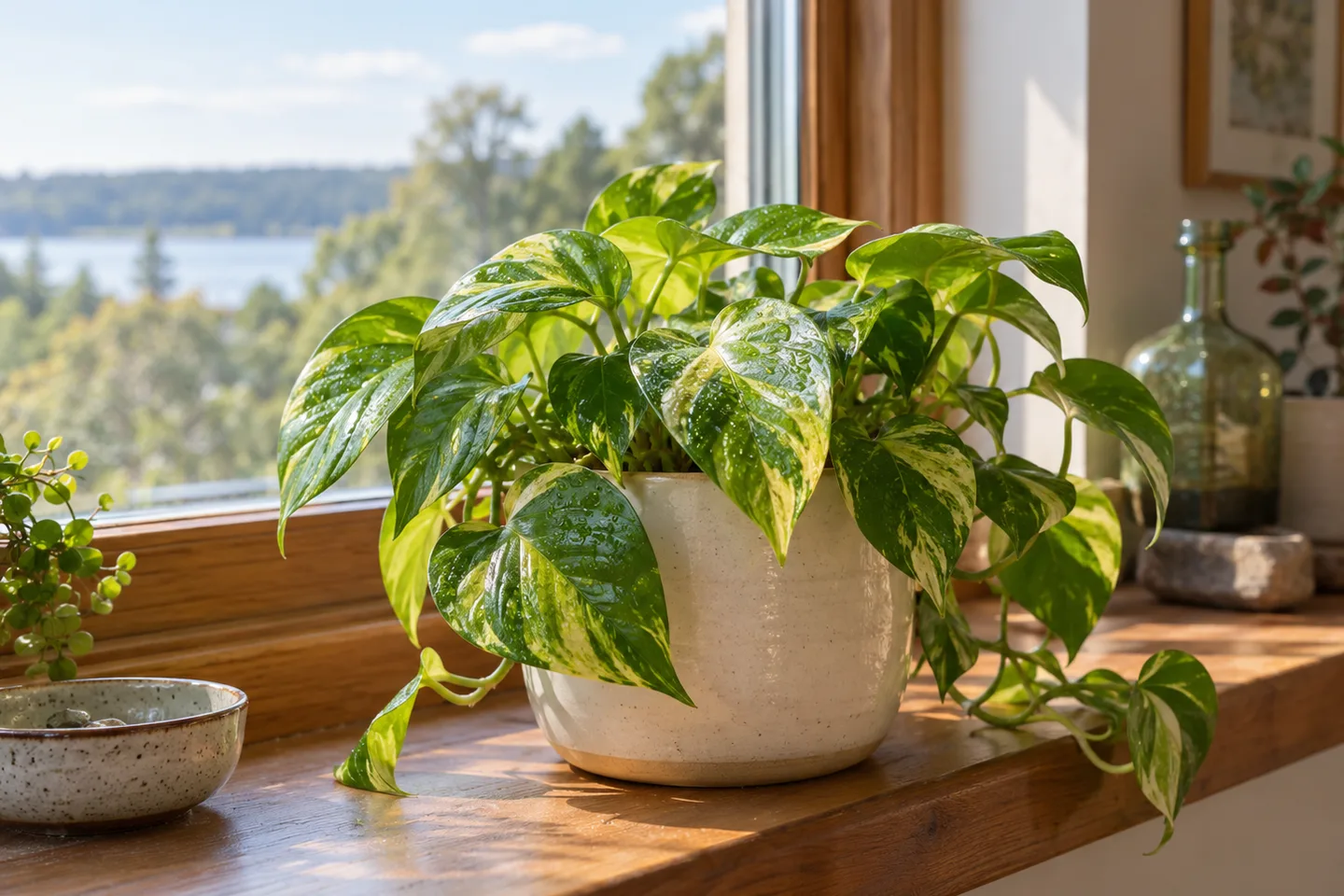
You cannot tell from a shiny leaf whether residue is old or still being produced, and a photo cannot establish what was sprayed yesterday. Leaftell is a next step for comparing your selected symptoms and growing conditions; it does not analyze the photograph.
Honeydew, water droplets or spray residue?
Honeydew is one explanation for recurring sticky film, but droplets along leaf margins can be water release and an old spray can leave a one-time deposit. Location plus a clean-patch comparison is more informative than color or shine alone.
| What you notice | Possible explanation | What to check next |
|---|---|---|
| Sticky film beneath insects or stem bumps | Honeydew from sap feeders | Inspect the growth directly above it |
| Droplets at leaf tips or edges | Plant water release, sometimes called guttation | Timing, location and whether pests are present |
| Residue after a spray or spill | Product or household residue | What was applied and whether it returns after cleaning |
| Dark surface coating with sticky deposits | Sooty mold growing on honeydew | The source of honeydew, rather than treating the coating alone |
Guttation commonly appears as droplets at tips or margins, while honeydew can land across surfaces below insects. Some plants also produce nectar. These patterns narrow the questions, but a photo cannot prove which substance you have. Do not taste residue or use it to judge whether a plant is safe to eat.
How to remove honeydew from plants
Keep the suspect plant separate while you inspect it. On robust, smooth foliage, gently wipe a small area with a soft damp cloth or rinse with lukewarm water. Support the leaf and avoid rubbing damaged tissue. Delicate, fuzzy or water-sensitive leaves need species-specific handling; check the plant care hub before cleaning them.
Record the date and photograph the cleaned area. Inspect again the next day for fresh deposits, then keep checking through the next week. This monitoring interval is a way to gather evidence, not a guarantee that insects are gone. Check nearby plants and clean shared tools before using them elsewhere.
If dark marks remain within the leaf rather than on its surface, compare the leaf spot guide. Do not scrape the leaf to prove a point. Persistent fresh honeydew means you still need to find its source, even if the plant looks tidier after wiping.
A timed clean-patch comparison
Use a small patch about 1 inch (2.5 cm) across on one sturdy leaf. Take a reference photo before cleaning and another once the water has dried, then compare after 24 hours and again at 72 hours. These are practical observation intervals, not a laboratory test or a pest life-cycle cutoff. Keep the plant apart while investigating, and inspect again at seven days even if the patch stays clean.
Worked example, hypothetical: a golden pothos in a 6-inch cream pot at an east window has a sticky lower leaf. If the cleaned patch stays clear but new film appears beneath a raised bump on the next stem, inspect that bump using the scale insect comparison. If the film does not return and you recently used a spray, record that history before treating anything. Neither outcome alone proves the source.
The University of Minnesota indoor insect guide describes honeydew-producing pests and inspection before treatment. If you find cottony material, compare white clusters associated with mealybugs. Broad leaves gather dust and pests on their undersides, which is why a damp-cloth wipe is part of routine peace lily care. For the same plant with yellow foliage, keep a separate record for yellow leaves on pothos instead of assuming both changes have one cause.
How to get rid of sticky leaves on plants without hiding the clues
Avoid spraying the whole collection before identifying a pest, using leaf shine to hide residue, or assuming every insect produces honeydew. Do not apply household mixtures or mix treatments. Cleaning can remove residue and some insects, but it does not establish that an infestation is controlled.
If a pesticide is needed after identification, use only a product labeled for that plant, pest and indoor setting. Follow the label, including restrictions around children and pets, and never combine products. Keep the plant itself out of reach too: the ASPCA plant toxicity list helps you check a known species, but does not identify it for you.
Do not increase watering just because a leaf looks sticky. Use the soil moisture checks separately. Other symptoms may have separate causes; keep their timing in your notes.
Follow the source of sticky leaves, not just the shine
Inspect above the residue, photograph what you find and clean one suitable patch gently. Fresh deposits give you a better question to investigate than an old sticky film. If you cannot identify the source or damage spreads, ask a local extension service for help with clear photos and your care history.
References
The university inspection guidance and ASPCA species list linked above support the pest and plant-safety notes. The timed comparison and worked example are an observation routine, not research measurements or a diagnosis.
Check your growing conditions with the plant watering calculator.
Frequently asked questions
Isolate the plant and remove visible clusters from sturdy leaves with a gentle water rinse. That clears exposed insects quickly, but hidden insects and eggs can remain; identify the pest and inspect repeatedly before calling it controlled.
Support a smooth leaf and wipe a small area with a soft cloth dampened with plain lukewarm water. Photograph that patch and inspect it the next day; cleaning removes residue but does not stop the insect producing it.
The sugary excretion of sap-feeding insects is called honeydew. Plant nectar, guttation droplets and dried sprays can also leave deposits, so the name depends on finding the source rather than judging shine.
Anthurium stickiness can come from plant secretions or sap-feeding pests. Inspect the leaf undersides, stems and growth above the residue; its position and whether it returns after cleaning are useful clues, not proof of a cause.
Clean a small suitable leaf patch gently, isolate a suspect plant and inspect for the source. Treat an identified pest according to species-specific guidance; avoid adding leaf polish or several treatments that obscure the evidence.
Baking soda is not a general fix for sticky Anthurium leaves. Do not apply kitchen mixtures to an unidentified problem; inspect for insects or residue and use plain water for a cautious patch clean on suitable foliage.
Share article
About the author

Keep checking your plant
Plant care reference
Why is my plant dying
Trace leaf and root symptoms before choosing a care change.
Plant care reference
Houseplant pests
Use insects, webbing and sticky deposits to narrow down the pest.
Plant care reference
Leaf spot disease
Record where spots spread and when expert identification is useful.
Plant care reference
Indoor plant care
Build a routine around your plant, light and potting mix.